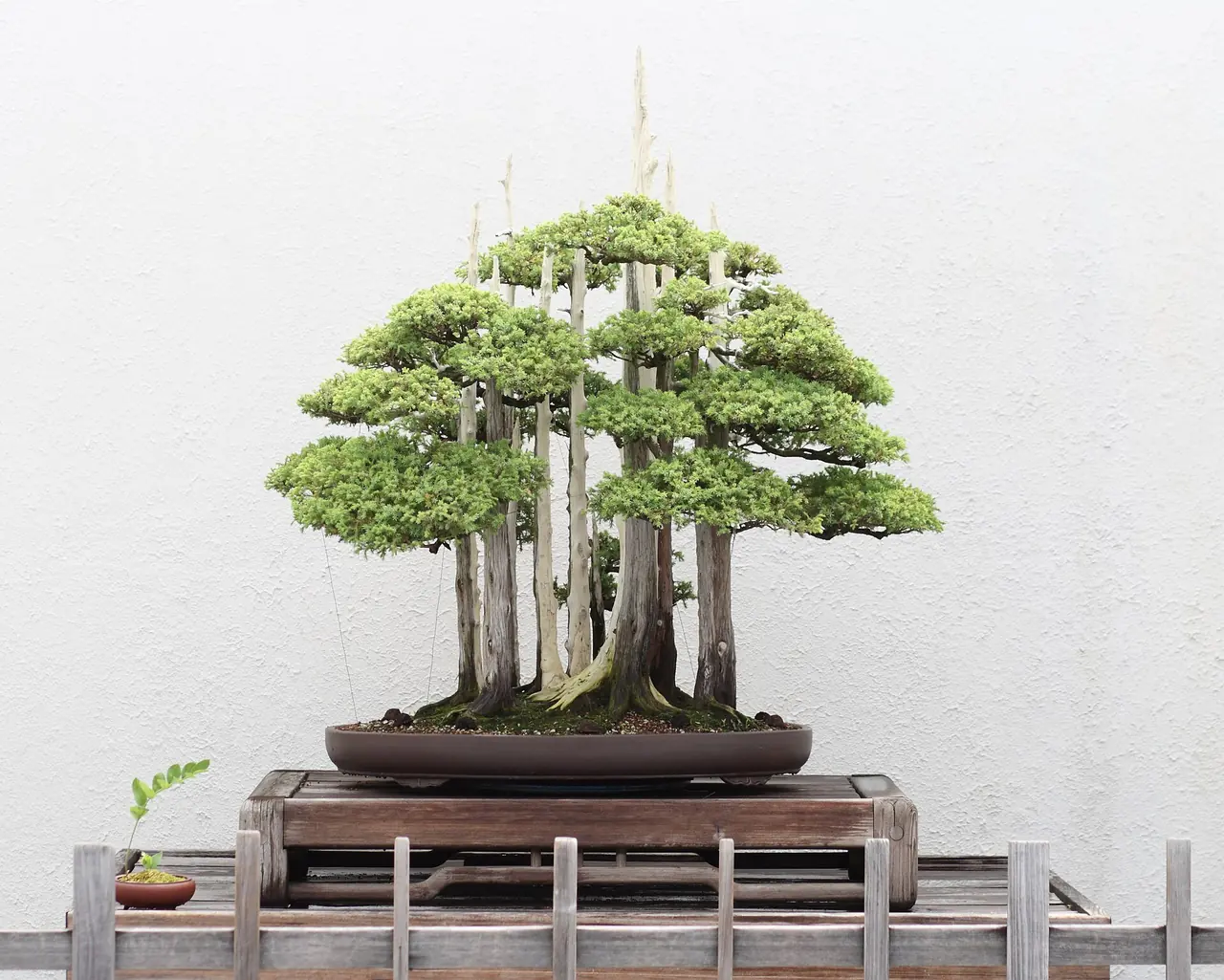
Every photograph on this site is freely licensed. Each is listed with its photographer, the tree's artist where known, the licence and the source. The pictures here are resized and converted to WebP; those under a ShareAlike licence are shared under the same licence.
People and places named here are credited as the source of a photograph or a tree. None of them is a partner of the game or endorses it.
Photographs
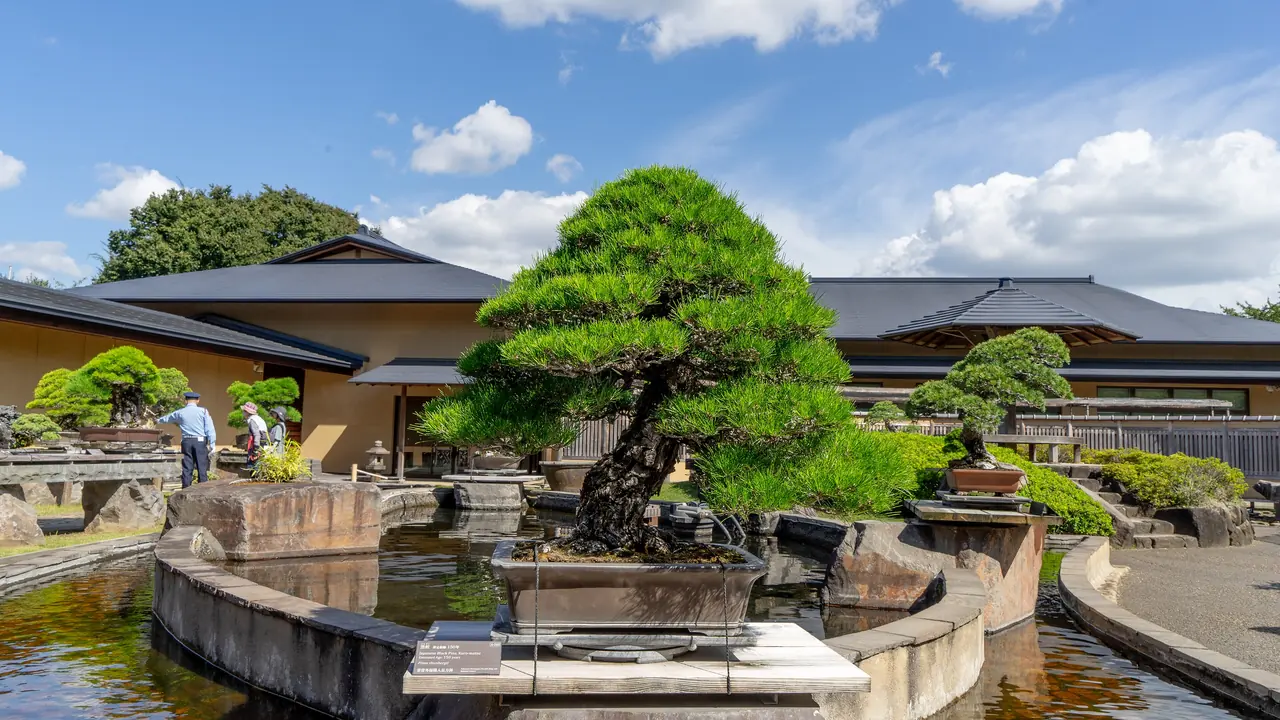
Japanese black pine, about 150 years old according to its display label, in a museum garden in Japan.
- Tree's artist
- Not recorded
- Photographer
- Antonio Rubio
- Where
- Omiya Bonsai Art Museum, Saitama, Japan
- Licence
- CC BY 2.0
- Source
- Original on Wikimedia Commons
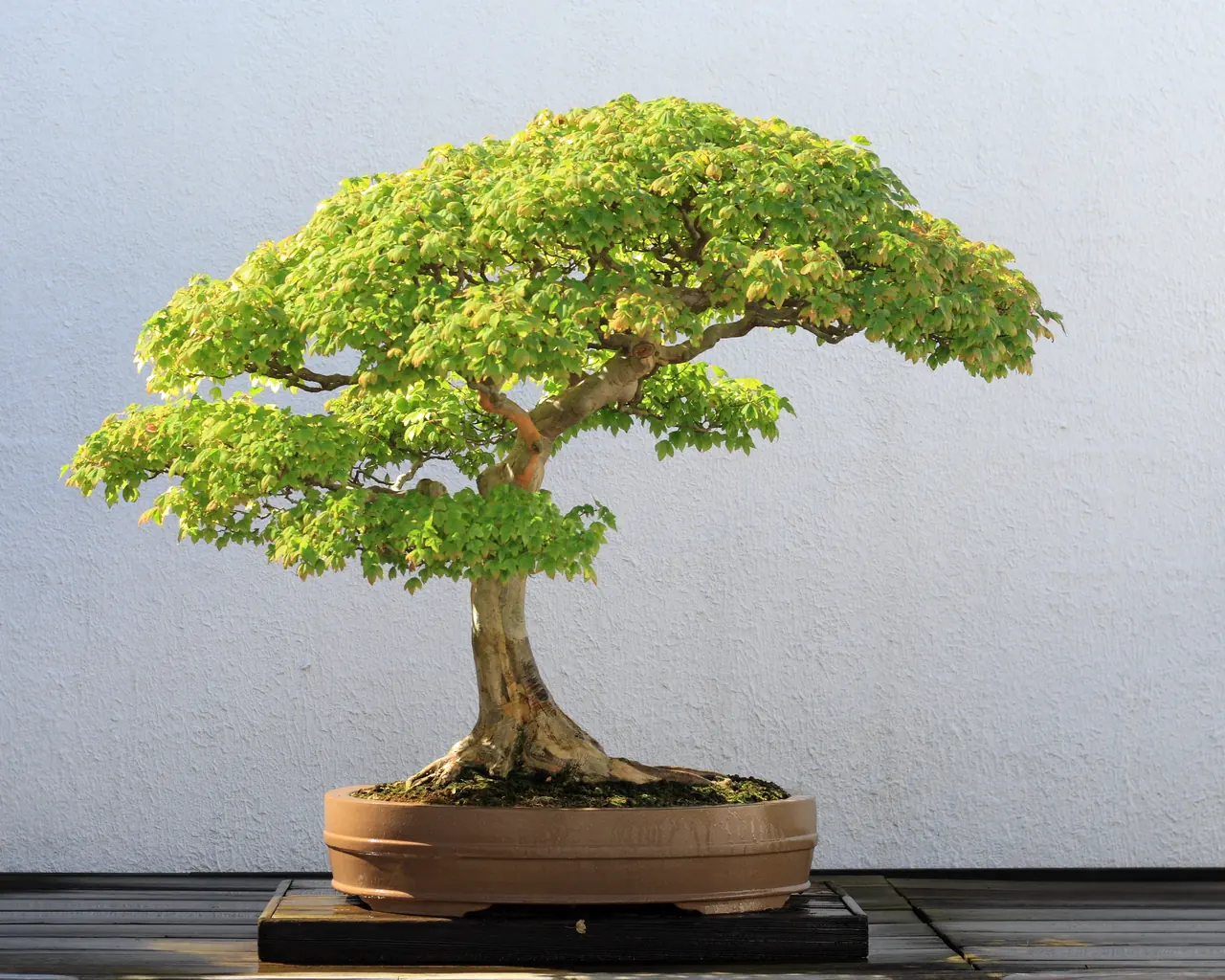
Trident maple, in training since 1895 according to its display placard; donated by Prince Takamatsu.
- Tree's artist
- Not recorded
- Photographer
- Sage Ross
- Where
- National Bonsai & Penjing Museum, Washington, D.C.
- Licence
- CC BY-SA 3.0
- Source
- Original on Wikimedia Commons
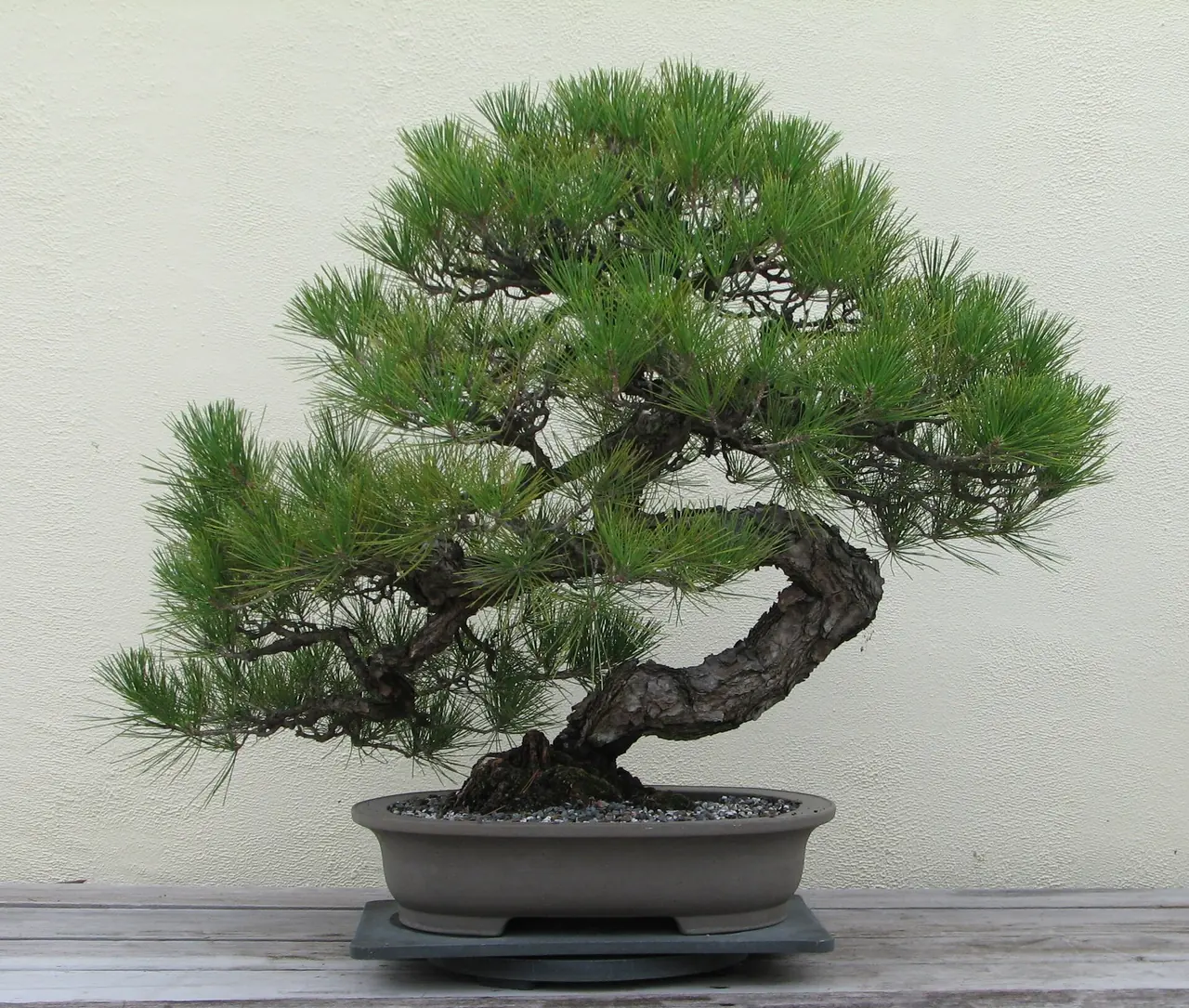
Japanese black pine, in training since 1936 according to its display placard; donated by Yee-sun Wu.
- Tree's artist
- Not recorded
- Photographer
- Ragesoss
- Where
- National Bonsai & Penjing Museum, Washington, D.C.
- Licence
- CC BY-SA 4.0
- Source
- Original on Wikimedia Commons
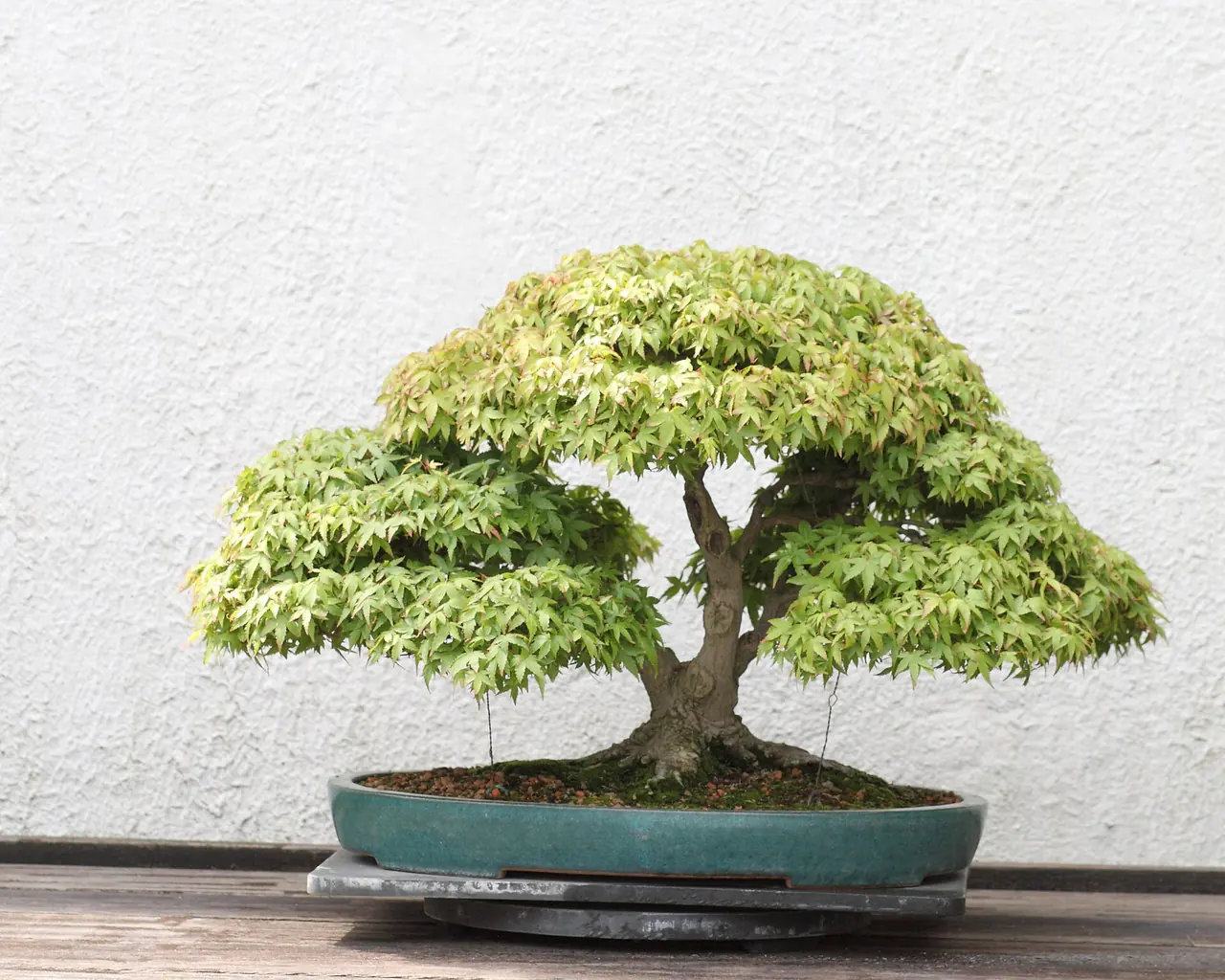
Japanese maple.
- Tree's artist
- Not recorded
- Photographer
- Sage Ross
- Where
- National Bonsai & Penjing Museum, Washington, D.C.
- Licence
- CC BY-SA 3.0
- Source
- Original on Wikimedia Commons
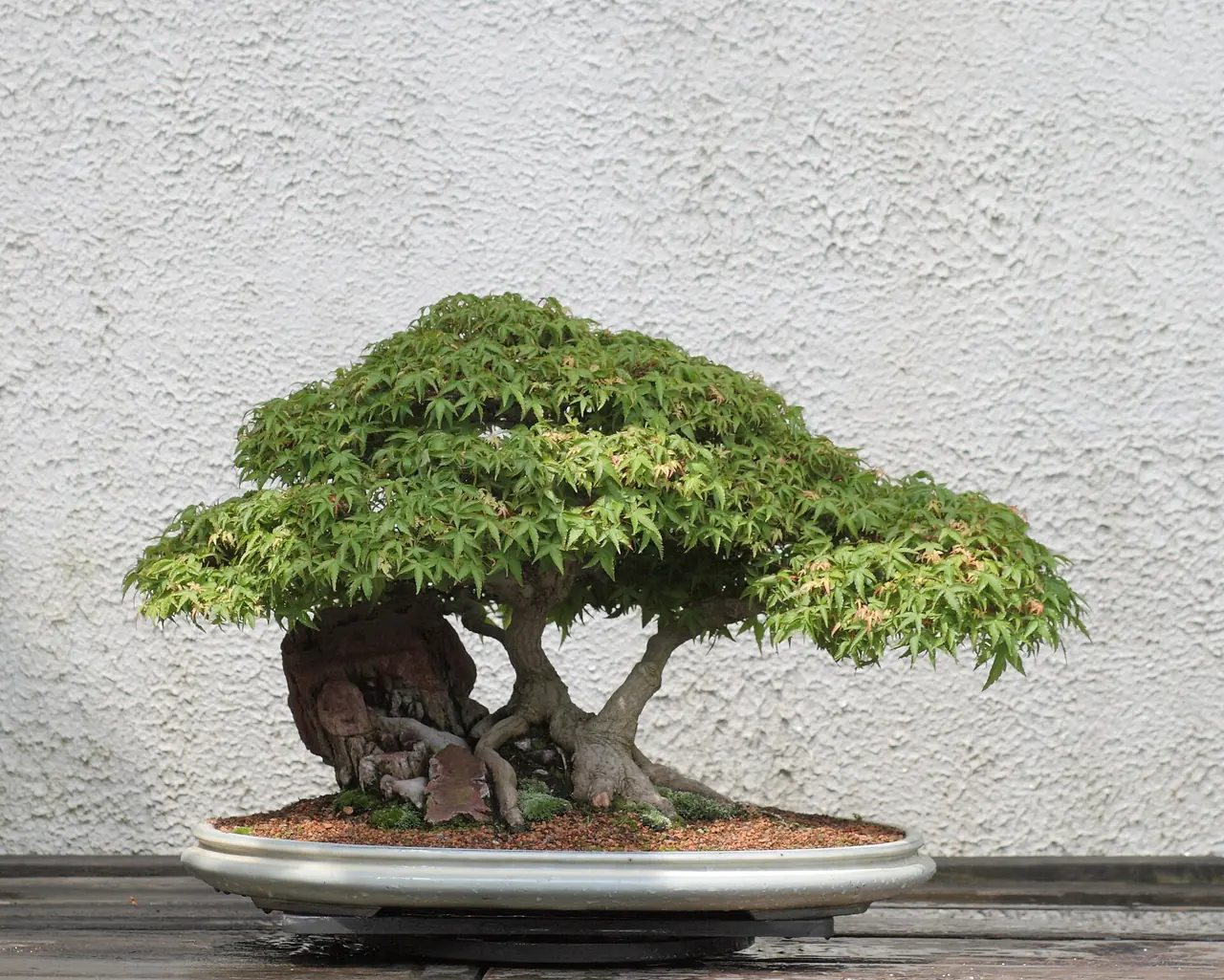
Japanese maple 'Kiyo-hime', in training since 1946 according to its display placard; donated by Akiko Matsudaira.
- Tree's artist
- Not recorded
- Photographer
- Sage Ross
- Where
- National Bonsai & Penjing Museum, Washington, D.C.
- Licence
- CC BY-SA 3.0
- Source
- Original on Wikimedia Commons
Goshin, a juniper forest planting.
- Tree's artist
- John Naka
- Photographer
- Sage Ross
- Licence
- CC BY-SA 3.0
- Source
- Original on Wikimedia Commons
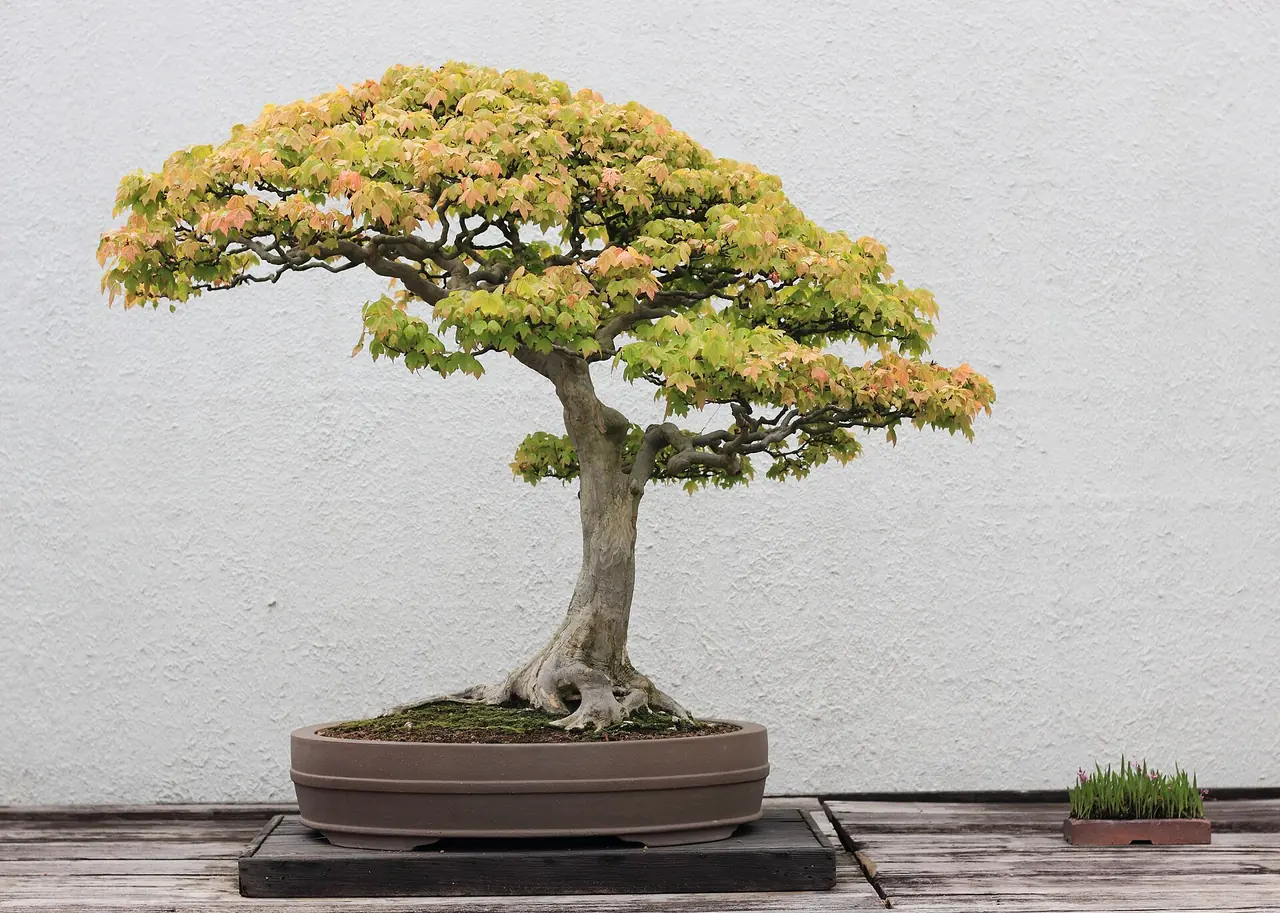
The same trident maple, seen from the back in spring 2012.
- Tree's artist
- Not recorded
- Photographer
- Sage Ross
- Where
- National Bonsai & Penjing Museum, Washington, D.C.
- Licence
- CC BY-SA 3.0
- Source
- Original on Wikimedia Commons
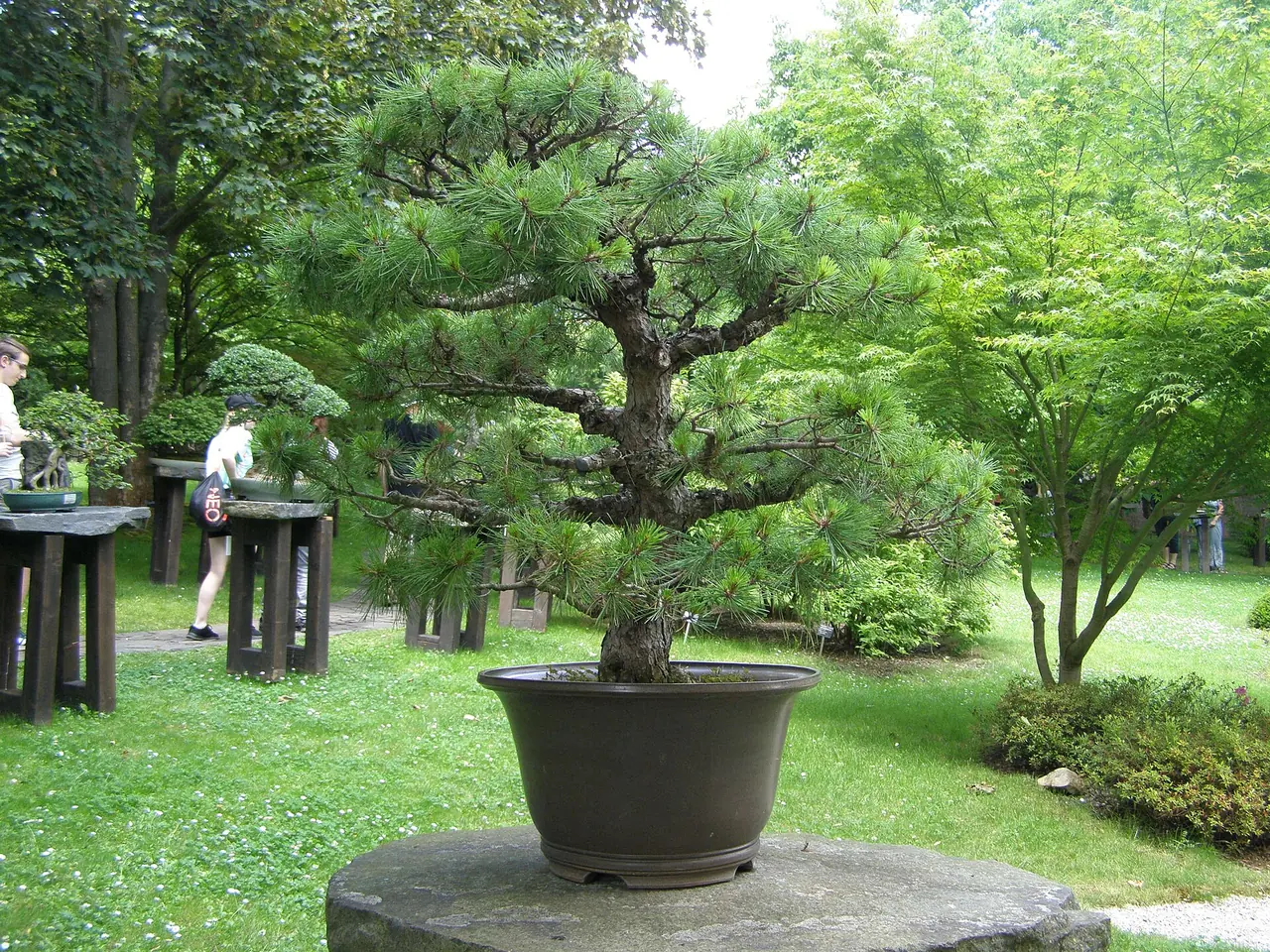
Japanese black pine on display in a botanical garden, with visitors among the trees.
- Tree's artist
- Botanical Garden Prague (grower)
- Photographer
- Mojmir Churavy
- Where
- Botanical Garden Prague-Troja, Japanese Garden
- Licence
- CC BY-SA 4.0
- Source
- Original on Wikimedia Commons
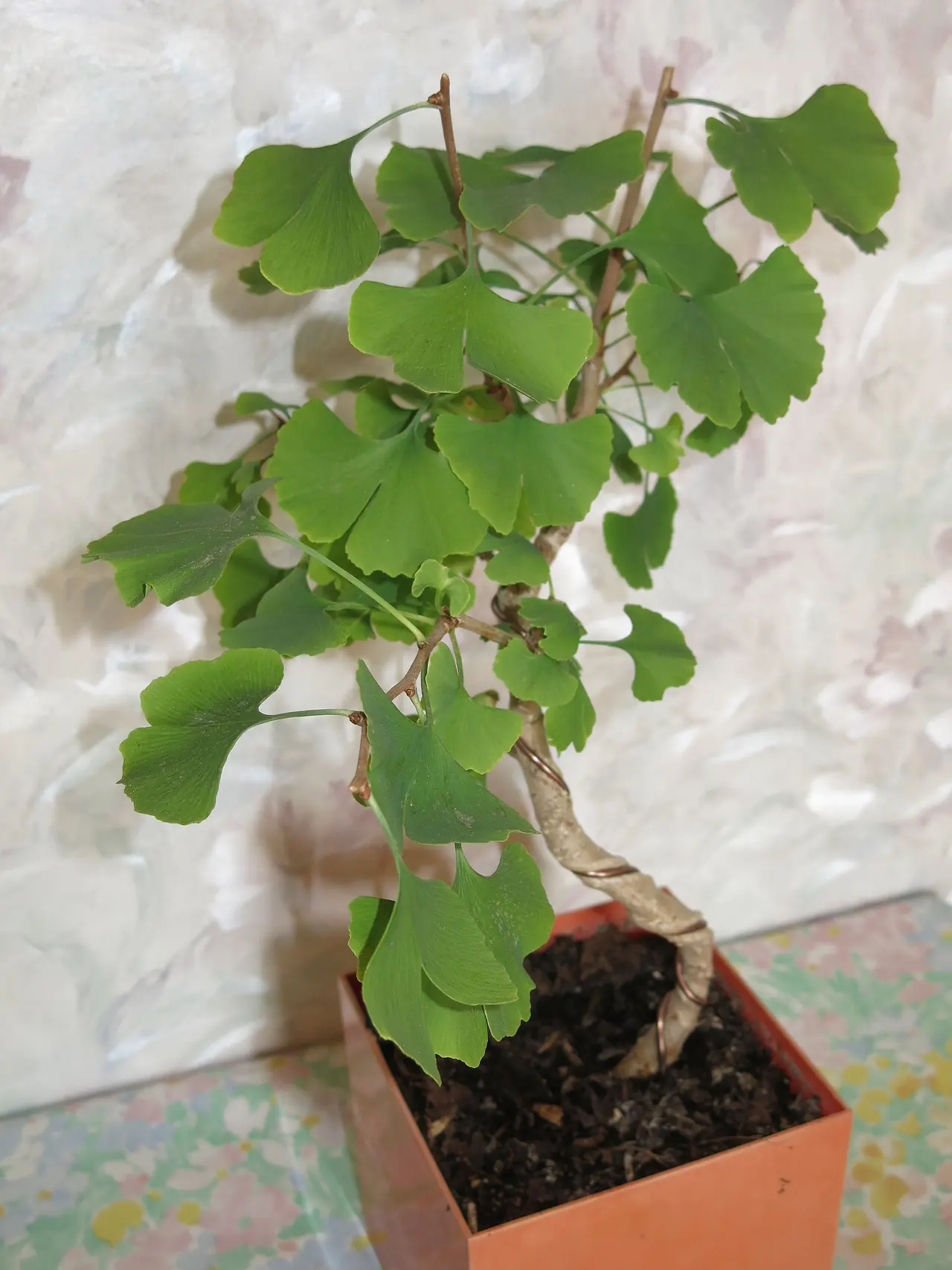
A young ginkgo in a training pot, wired to set its first curve.
- Tree's artist
- Not recorded
- Photographer
- Tangopaso
- Licence
- Public domain
- Source
- Original on Wikimedia Commons
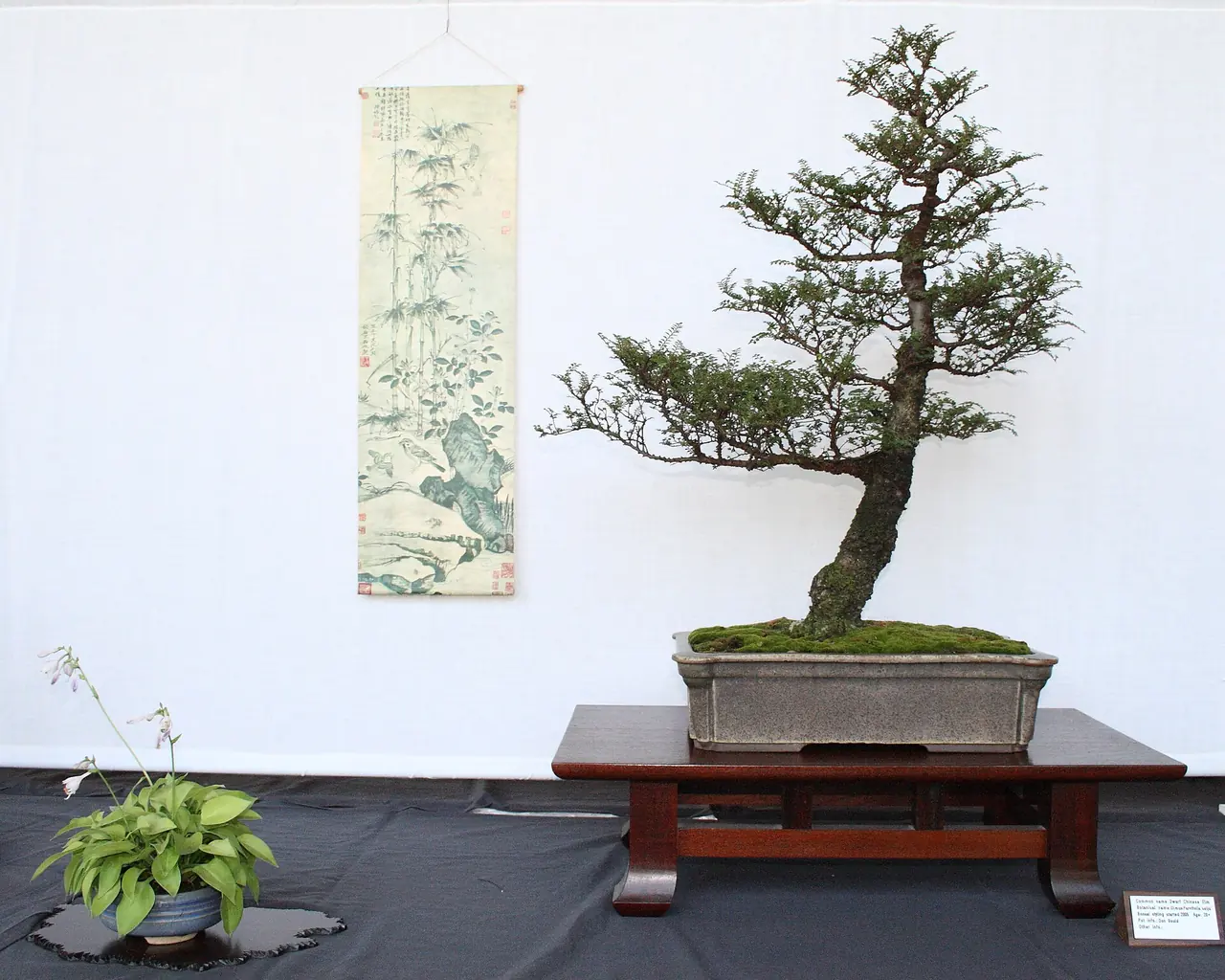
Seiju elm in a formal show display, with a hanging scroll and a companion plant.
- Tree's artist
- Not recorded
- Photographer
- Sage Ross
- Where
- The Bonsai Society of Greater Hartford, annual show, 2009
- Licence
- CC BY-SA 3.0
- Source
- Original on Wikimedia Commons
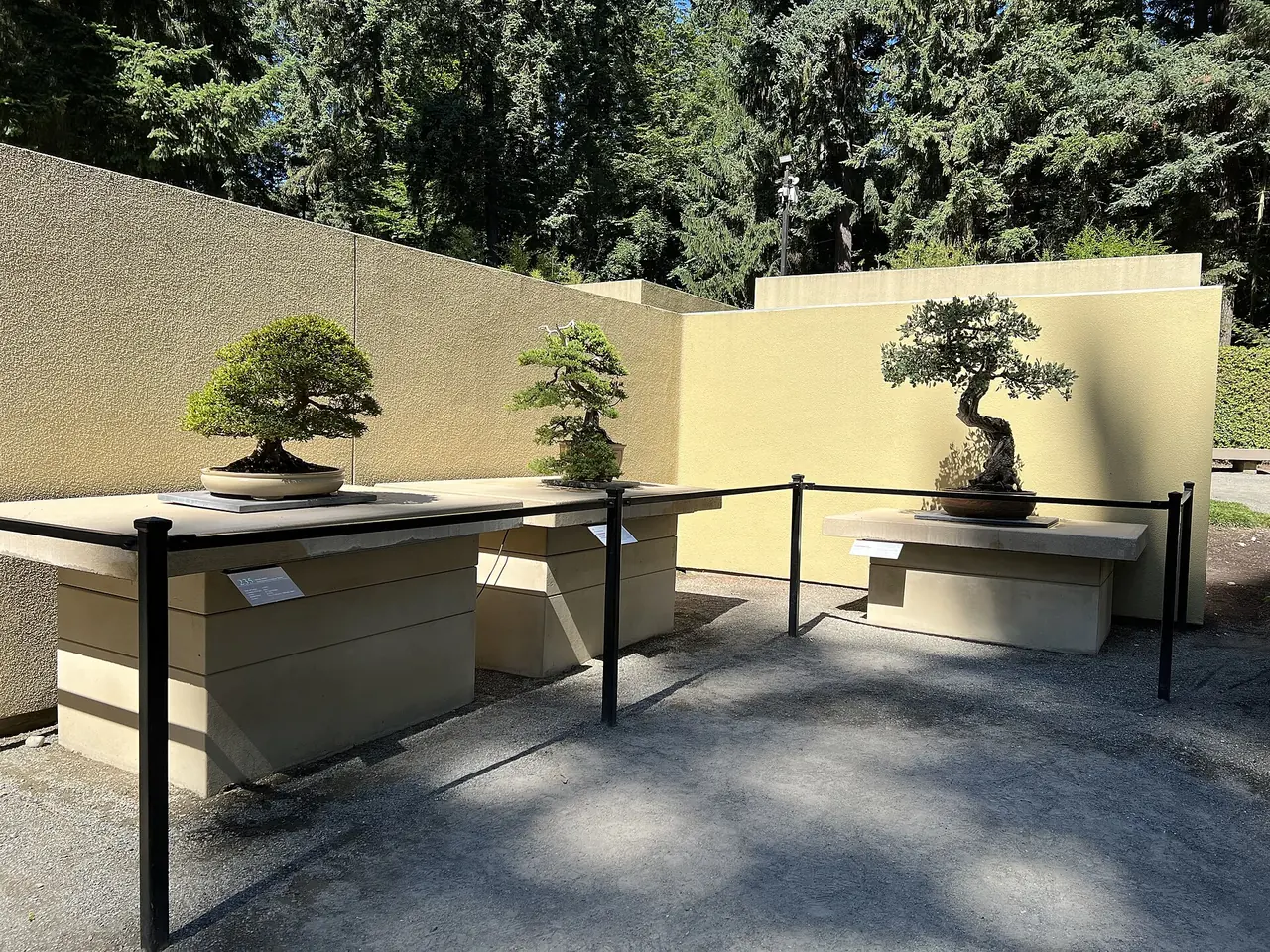
An outdoor bonsai exhibition.
- Tree's artist
- Not recorded
- Photographer
- Sgerbic
- Where
- Pacific Bonsai Museum, Federal Way, Washington
- Licence
- CC BY-SA 4.0
- Source
- Original on Wikimedia Commons
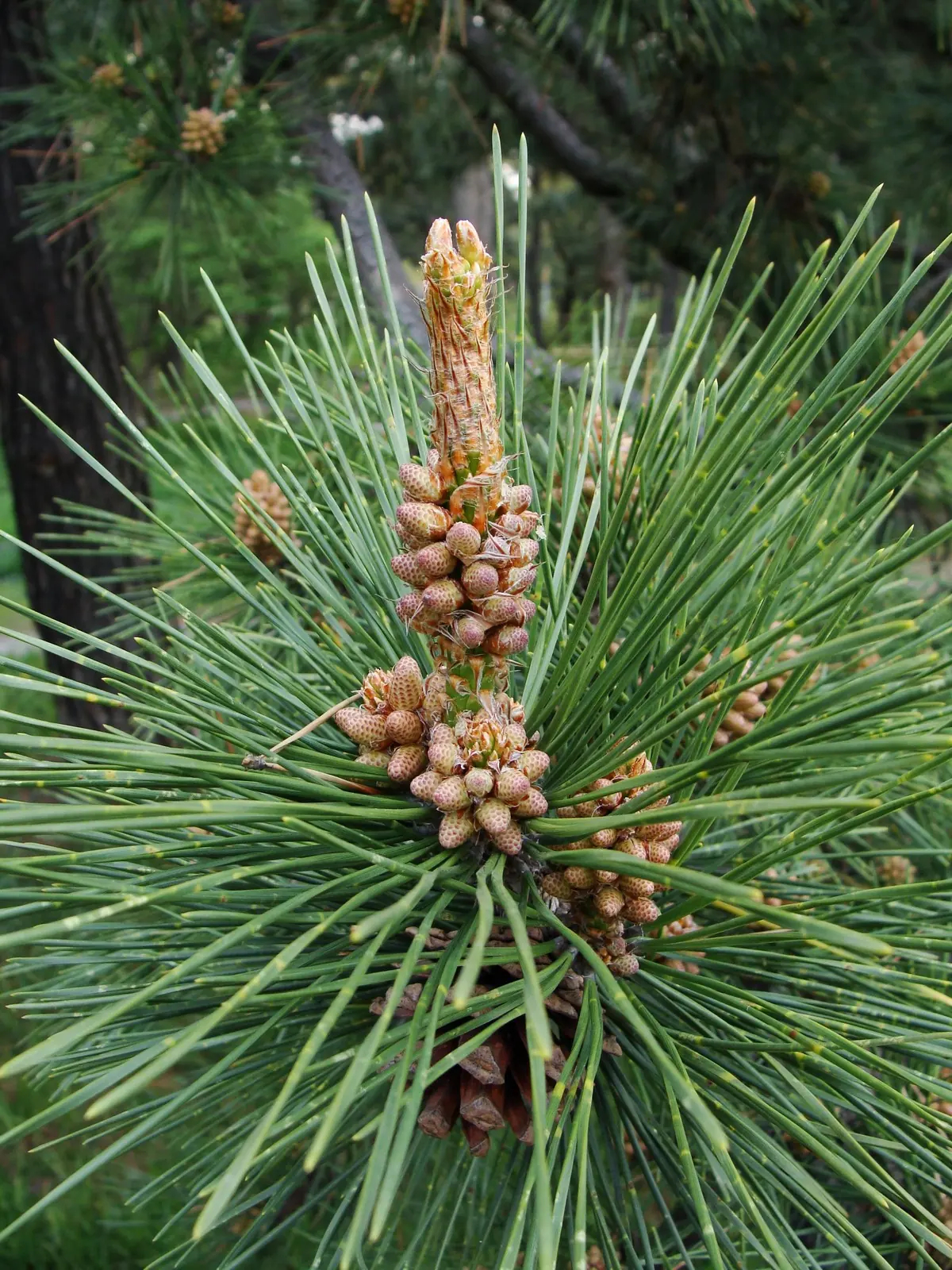
A spring candle on a Japanese black pine, with pollen cones clustered at its base.
- Tree's artist
- Not recorded
- Photographer
- あおもりくま(Aomorikuma)
- Licence
- CC BY-SA 3.0
- Source
- Original on Wikimedia Commons
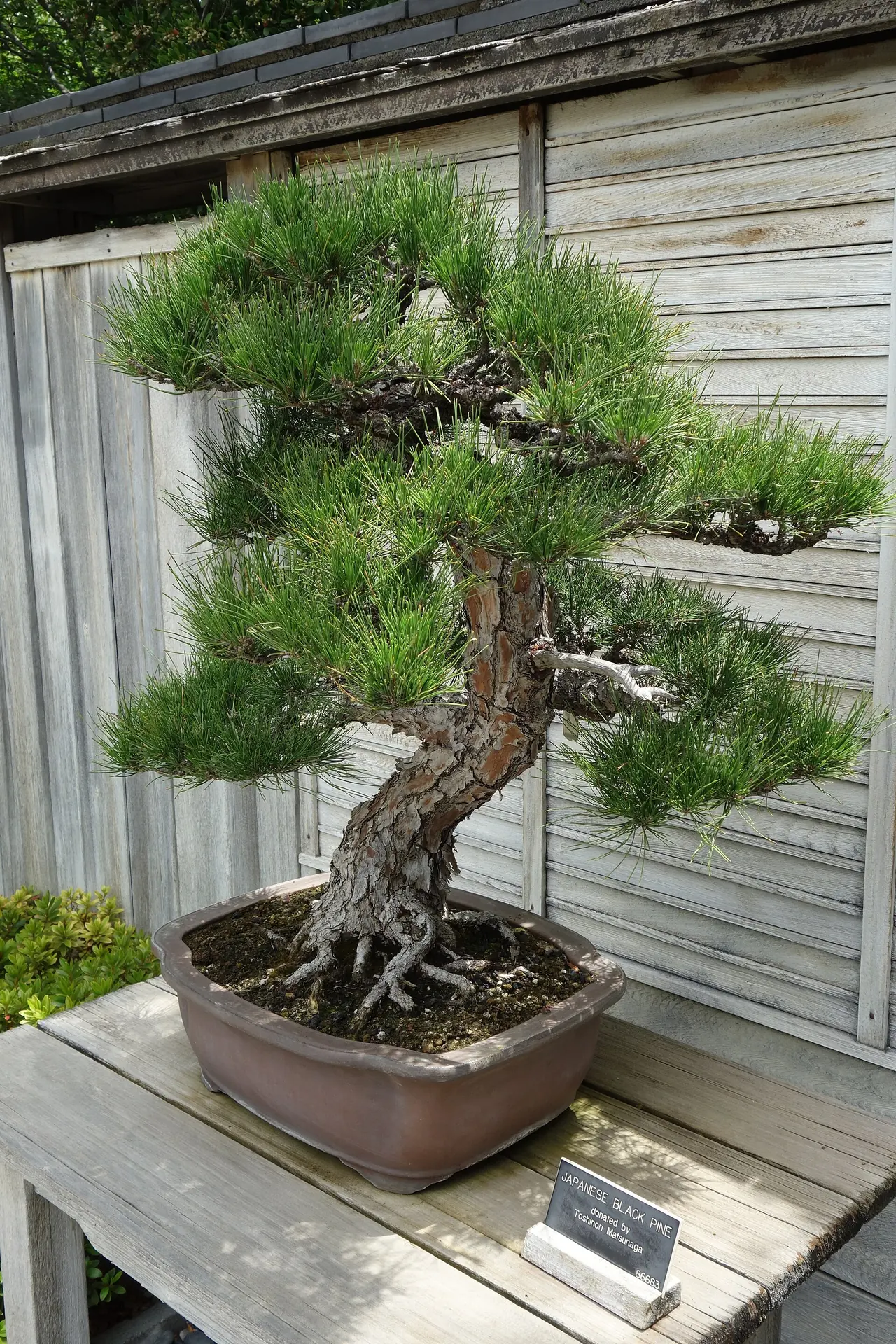
Japanese black pine in full sun at the Huntington Botanical Gardens, San Marino, California.
- Tree's artist
- Not recorded
- Photographer
- Daderot
- Licence
- CC0
- Source
- Original on Wikimedia Commons
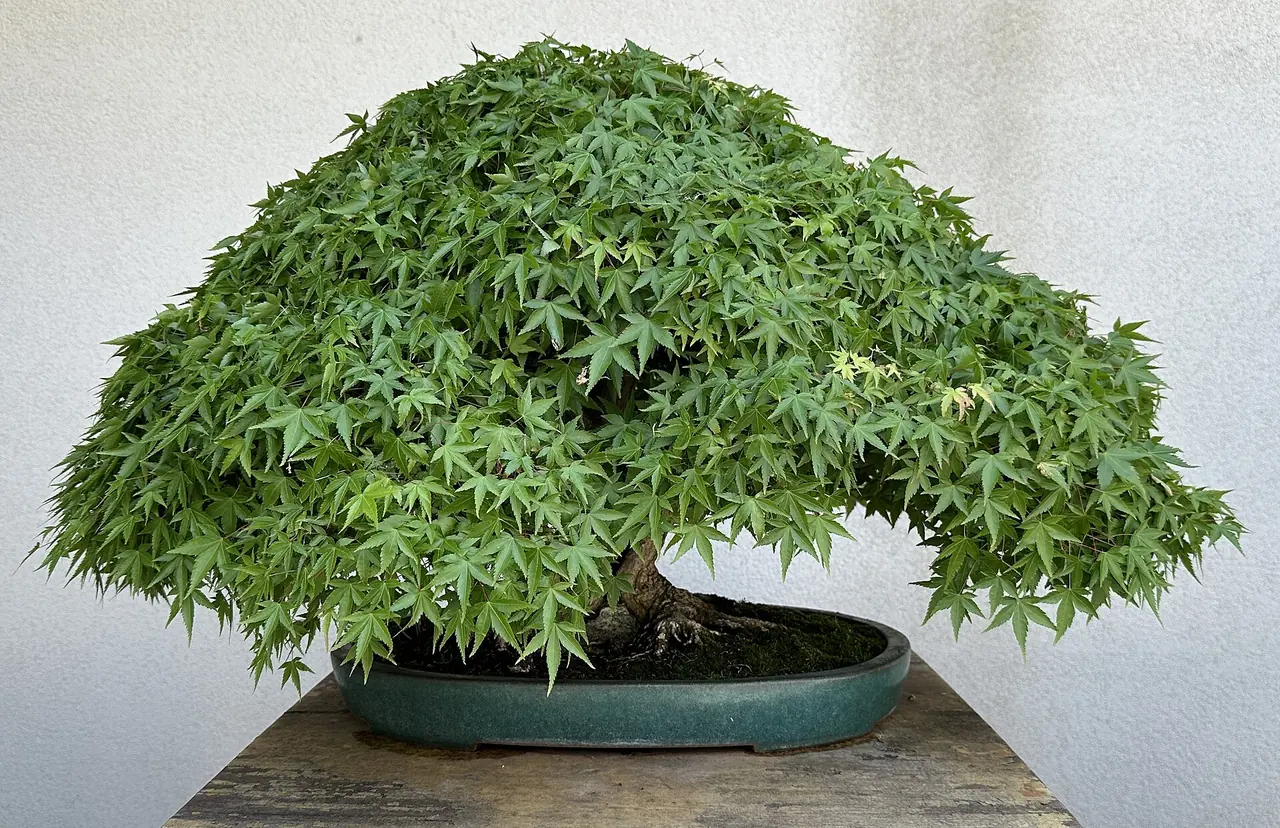
A Japanese maple photographed at the US National Bonsai & Penjing Museum. Photo: APK, CC BY 4.0.
- Tree's artist
- Not recorded
- Photographer
- APK
- Licence
- CC BY 4.0
- Source
- Original on Wikimedia Commons
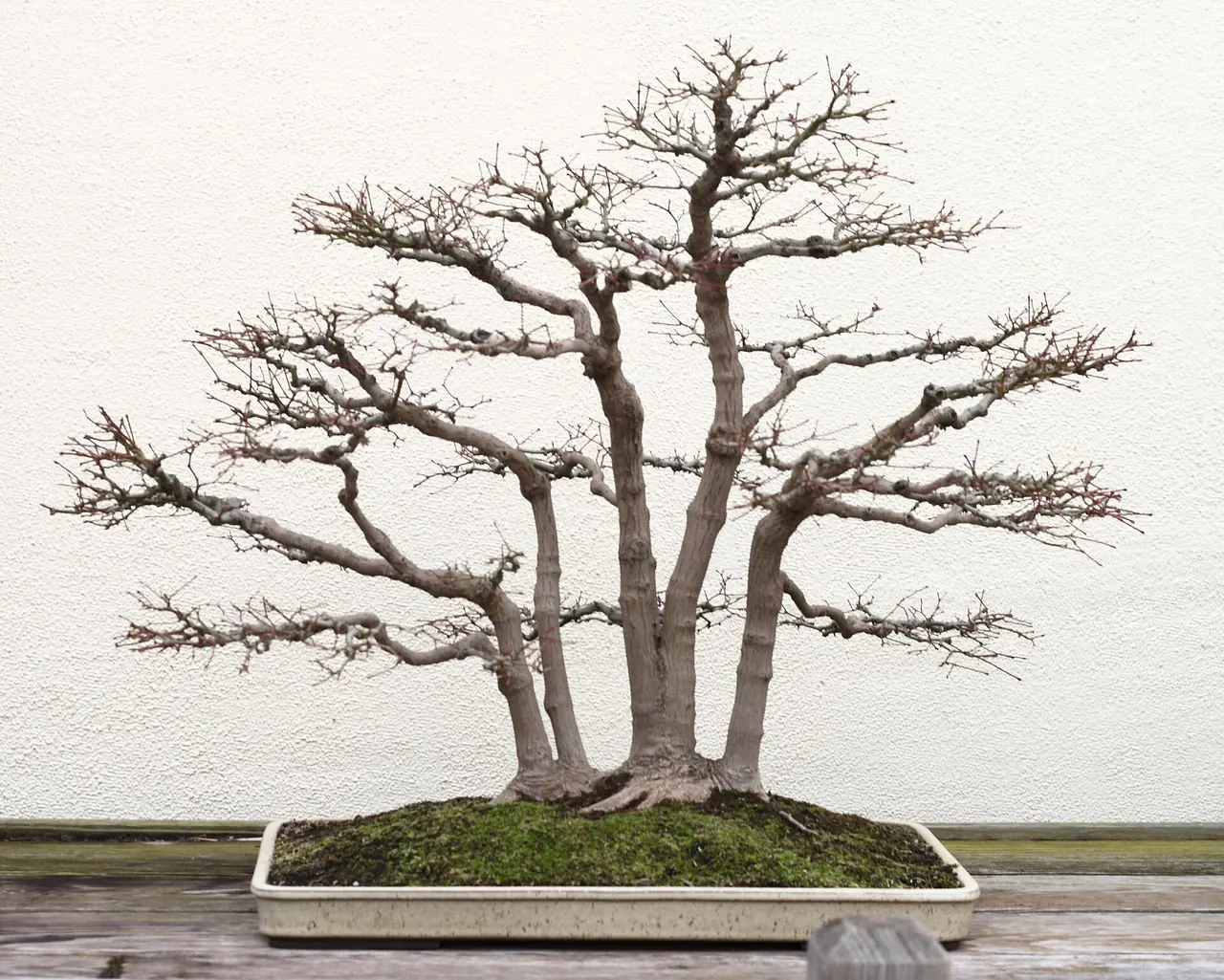
A Japanese maple bonsai in winter, as its photographer names it: bare branches show the structure that leaf-drop work refines. Photo: Sage Ross, CC BY-SA 3.0.
- Tree's artist
- Not recorded
- Photographer
- Sage Ross
- Licence
- CC BY-SA 3.0
- Source
- Original on Wikimedia Commons
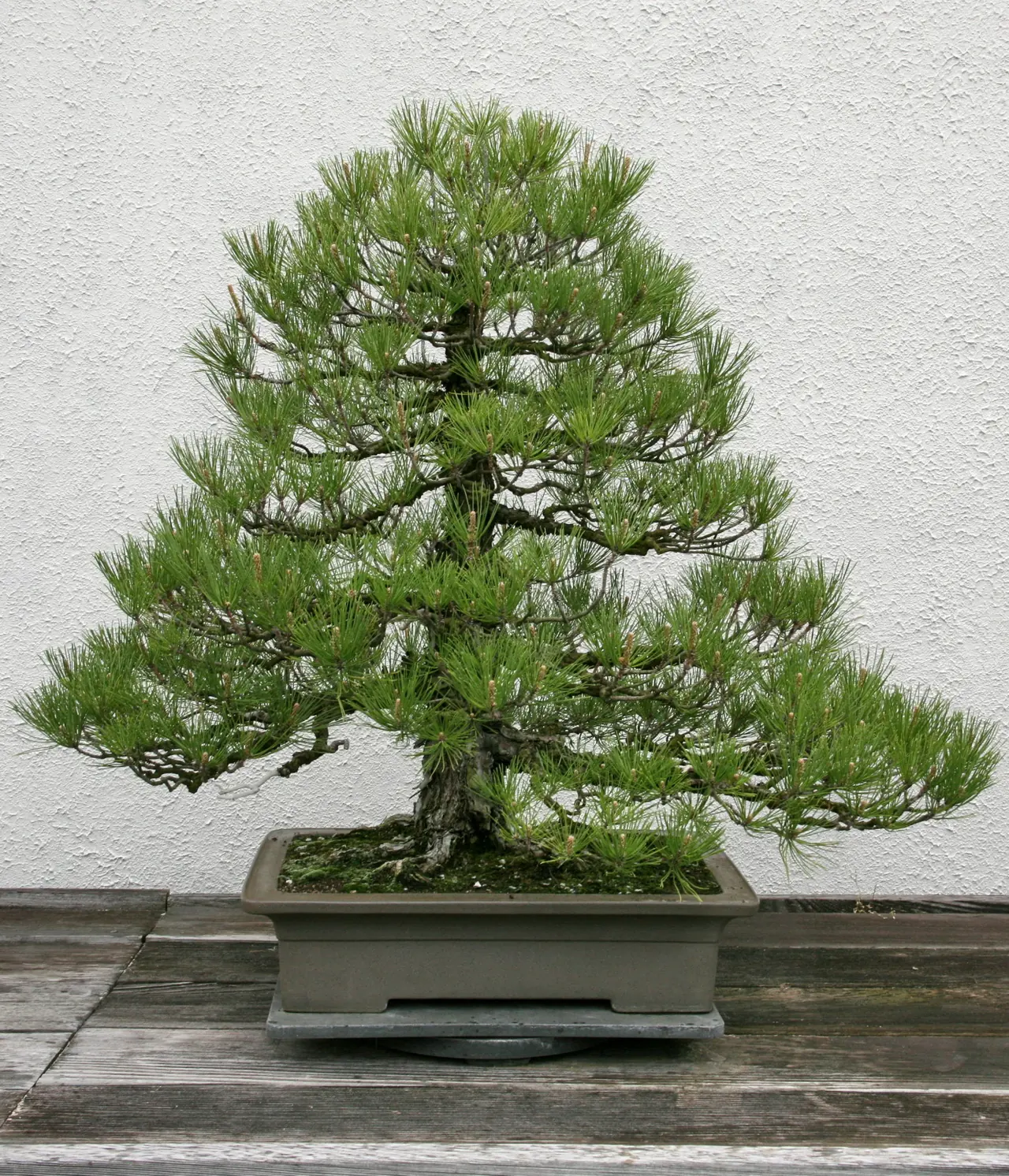
A Japanese black pine bonsai. Photo: Cliff from Arlington, Virginia, USA, CC BY 2.0.
- Tree's artist
- Not recorded
- Photographer
- Cliff from Arlington, Virginia, USA
- Licence
- CC BY 2.0
- Source
- Original on Wikimedia Commons
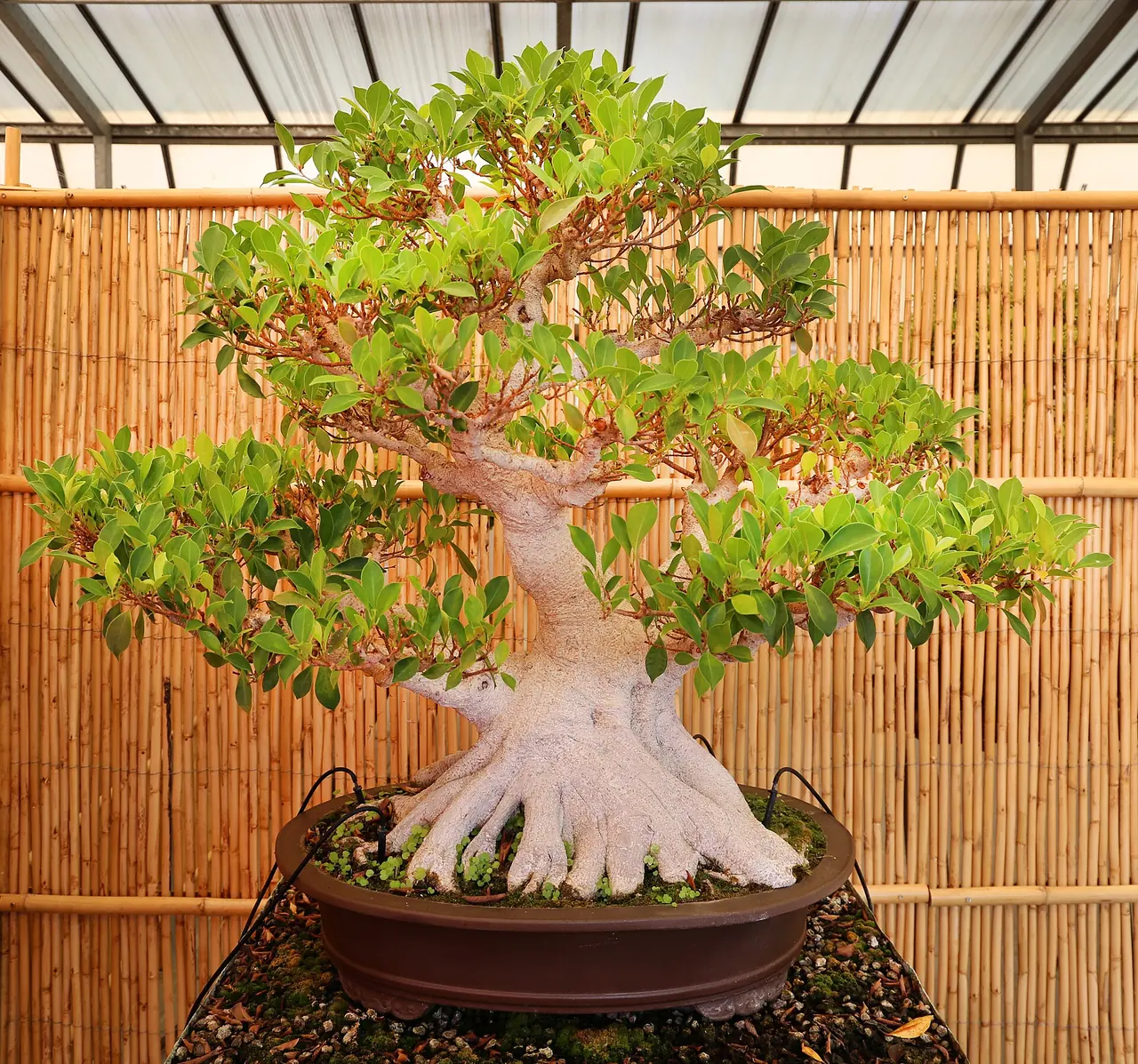
Ficus retusa at the bonsai museum in Pescia, Italy, described by the photographer as about 50 years old and from China.
- Tree's artist
- Not recorded
- Photographer
- Sailko
- Licence
- CC BY-SA 4.0
- Source
- Original on Wikimedia Commons
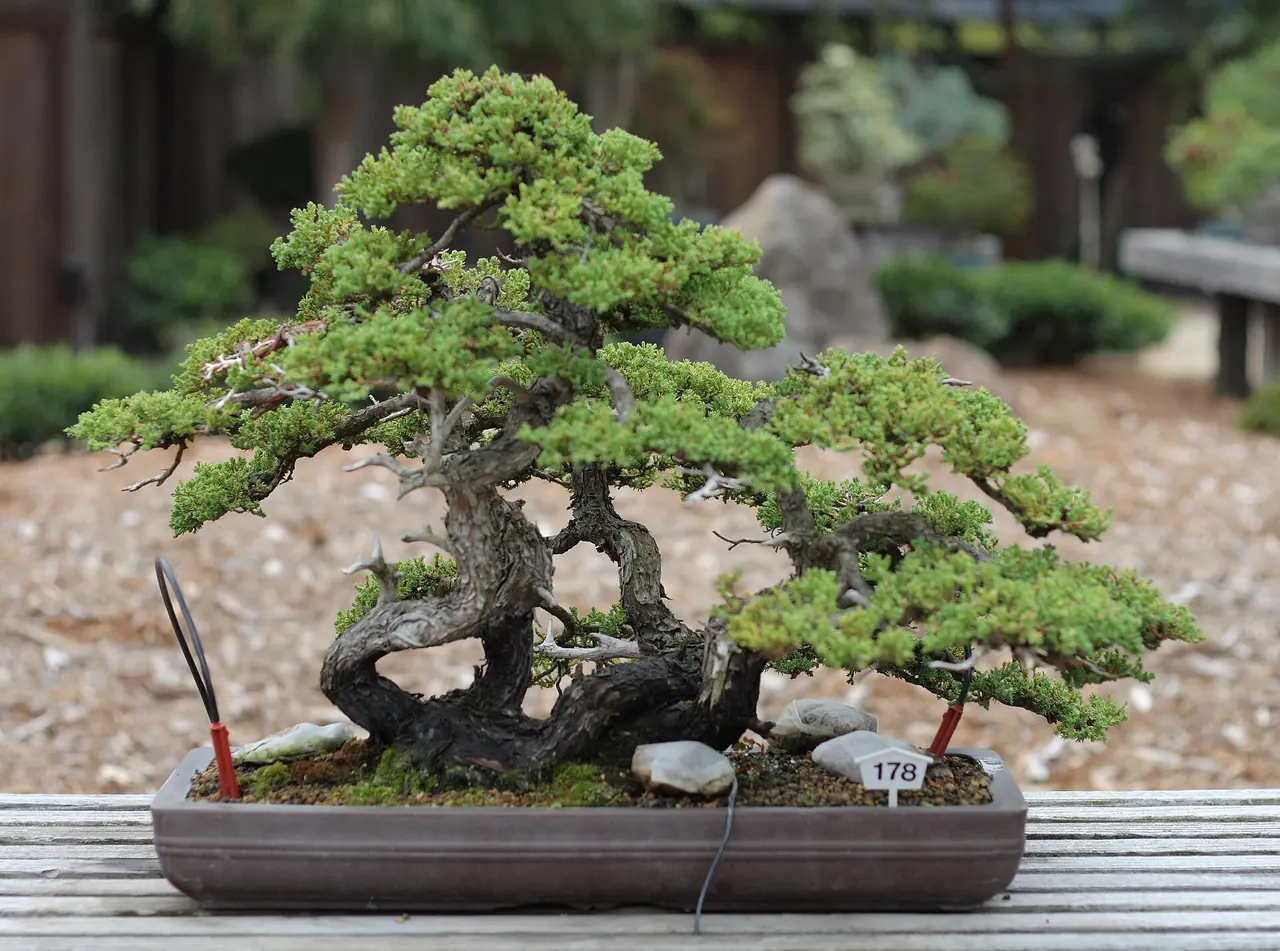
A dwarf Japanese garden juniper bonsai, GSBF-CN 178, in the Golden State Bonsai Federation's collection. Junipers are outdoor trees.
- Tree's artist
- Not recorded
- Photographer
- Sage Ross
- Licence
- CC BY-SA 3.0
- Source
- Original on Wikimedia Commons
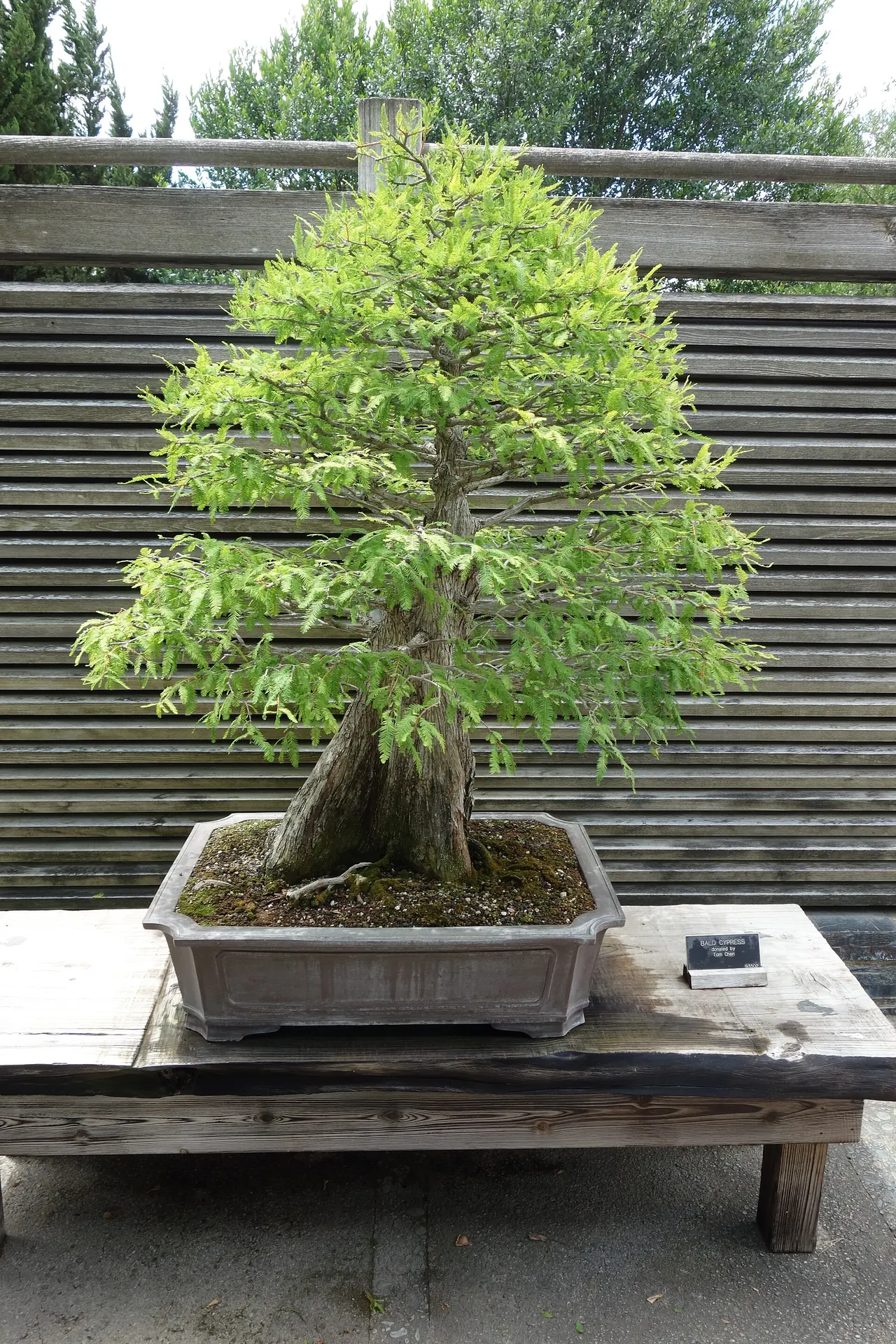
Bald cypress at the Huntington Botanical Gardens, San Marino, California, in full green foliage; in autumn its needles turn copper and fall.
- Tree's artist
- Not recorded
- Photographer
- Daderot
- Licence
- CC0
- Source
- Original on Wikimedia Commons
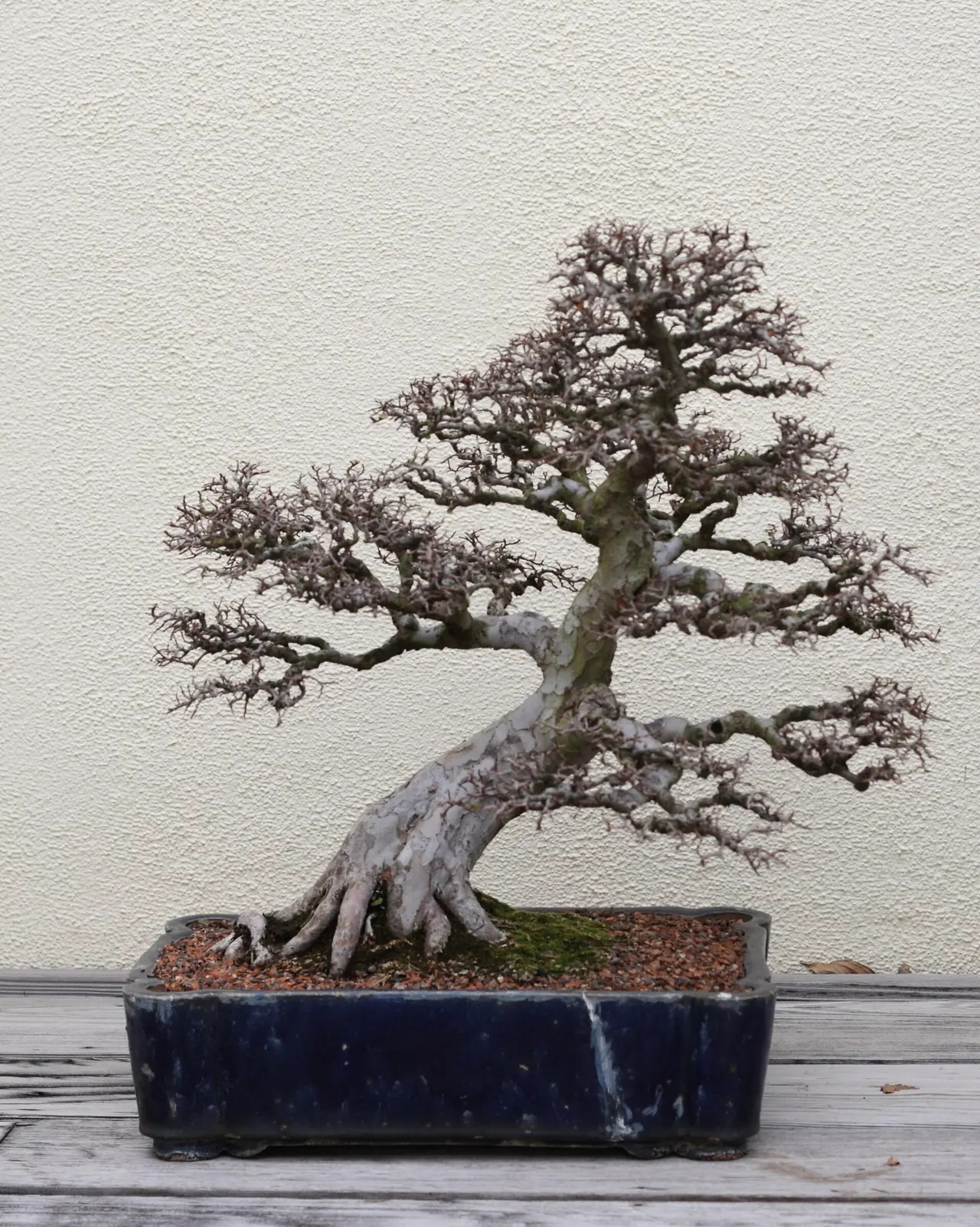
A Chinese elm bonsai, bare in winter.
- Tree's artist
- Not recorded
- Photographer
- Sage Ross
- Licence
- CC BY-SA 3.0
- Source
- Original on Wikimedia Commons
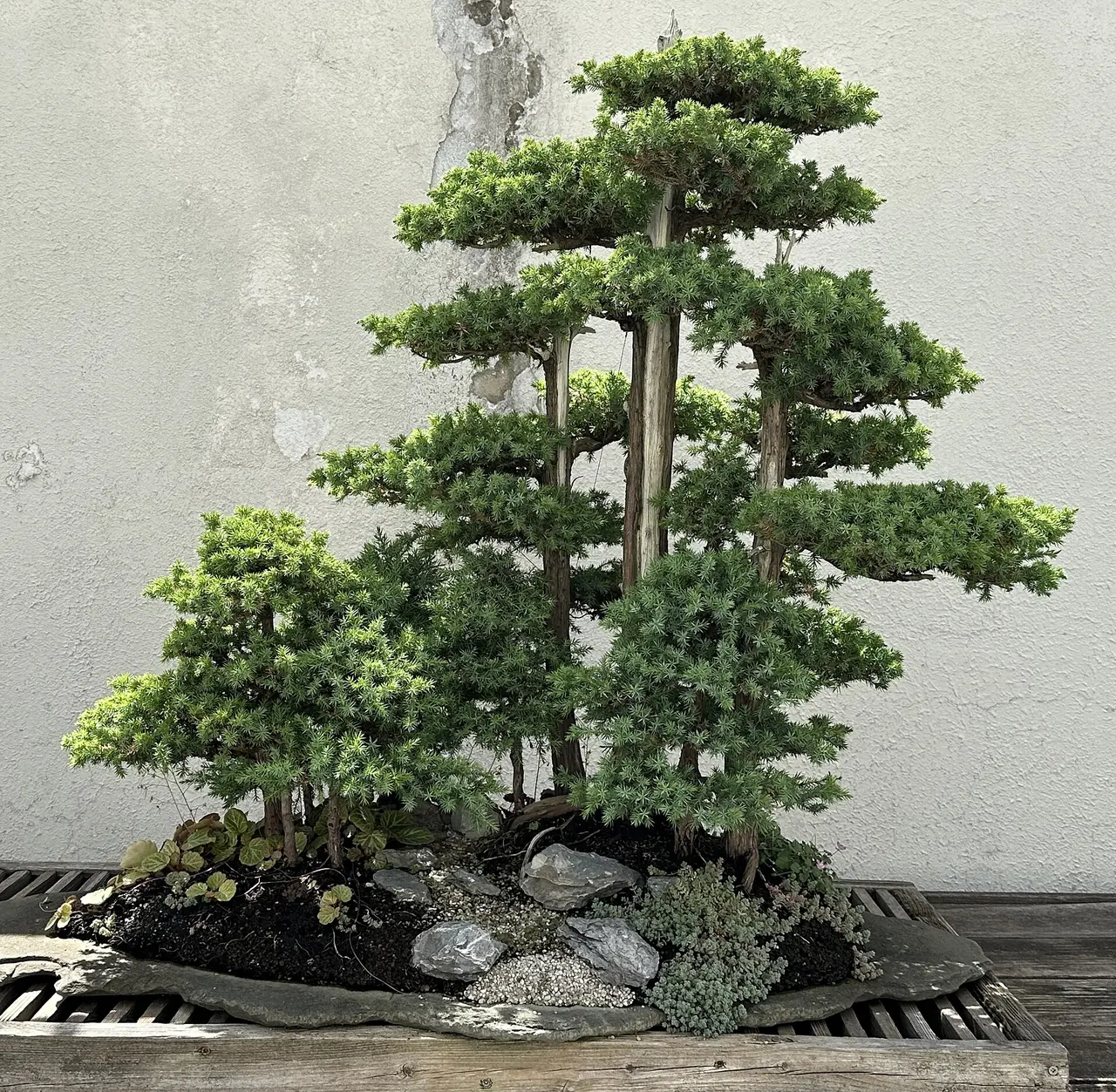
A healthy Chinese juniper forest at the US National Bonsai & Penjing Museum. On a juniper, green foliage alone does not show that the roots are alive.
- Tree's artist
- Not recorded
- Photographer
- APK
- Licence
- CC BY 4.0
- Source
- Original on Wikimedia Commons
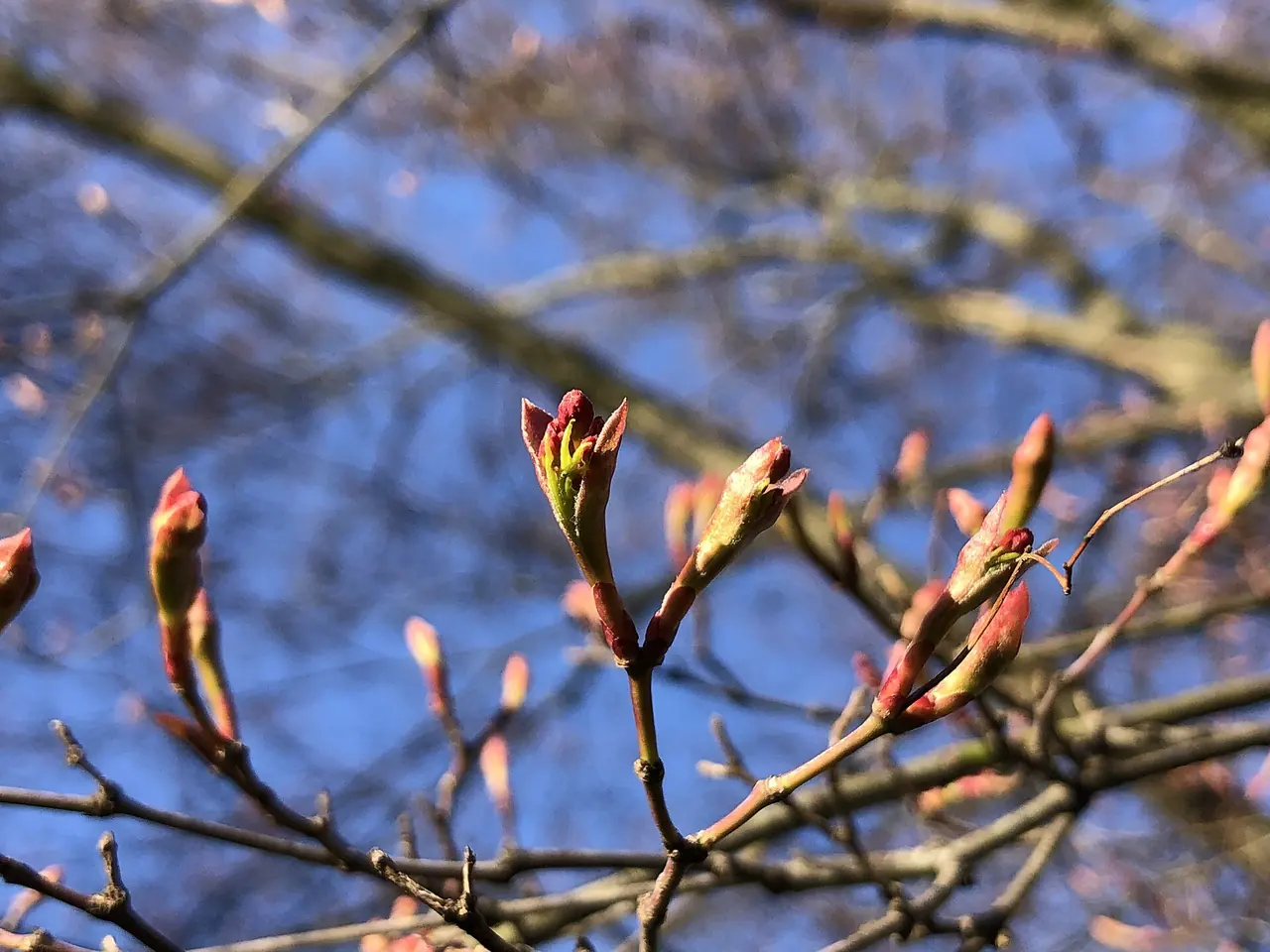
Japanese maple buds swelling in early spring, the stage that marks the repotting window. A garden tree in New Jersey, USA. Photo: Famartin, CC BY-SA 4.0.
- Tree's artist
- Not recorded
- Photographer
- Famartin
- Licence
- CC BY-SA 4.0
- Source
- Original on Wikimedia Commons
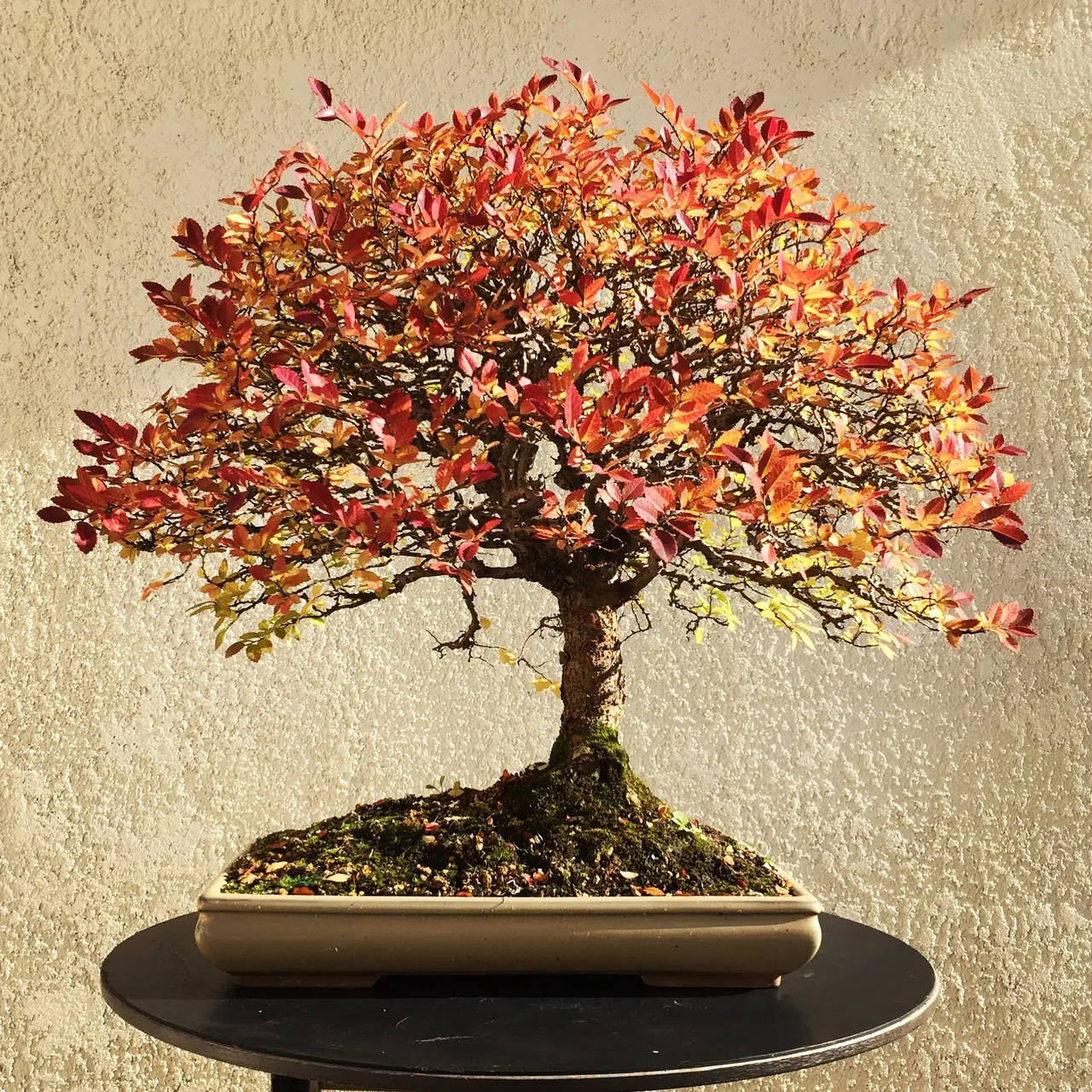
Broom style (hokidachi) in autumn colour.
- Tree's artist
- Not recorded
- Photographer
- Nejikan
- Licence
- CC BY-SA 4.0
- Source
- Original on Wikimedia Commons
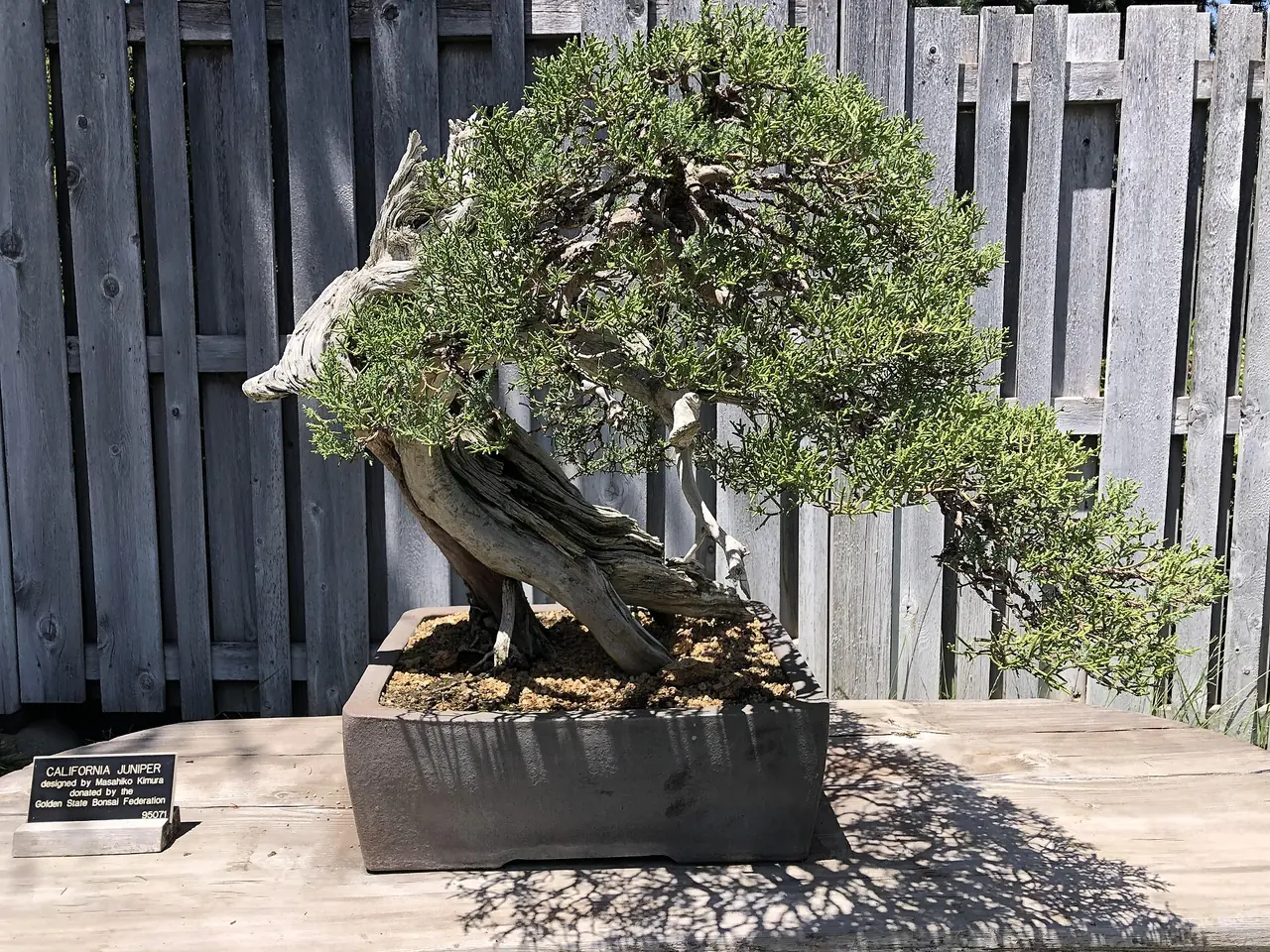
A California juniper, described on its placard as designed by Masahiko Kimura and donated by the Golden State Bonsai Federation, at the Huntington in San Marino, California.
- Tree's artist
- Not recorded
- Photographer
- Noahfgodard
- Licence
- CC BY-SA 4.0
- Source
- Original on Wikimedia Commons
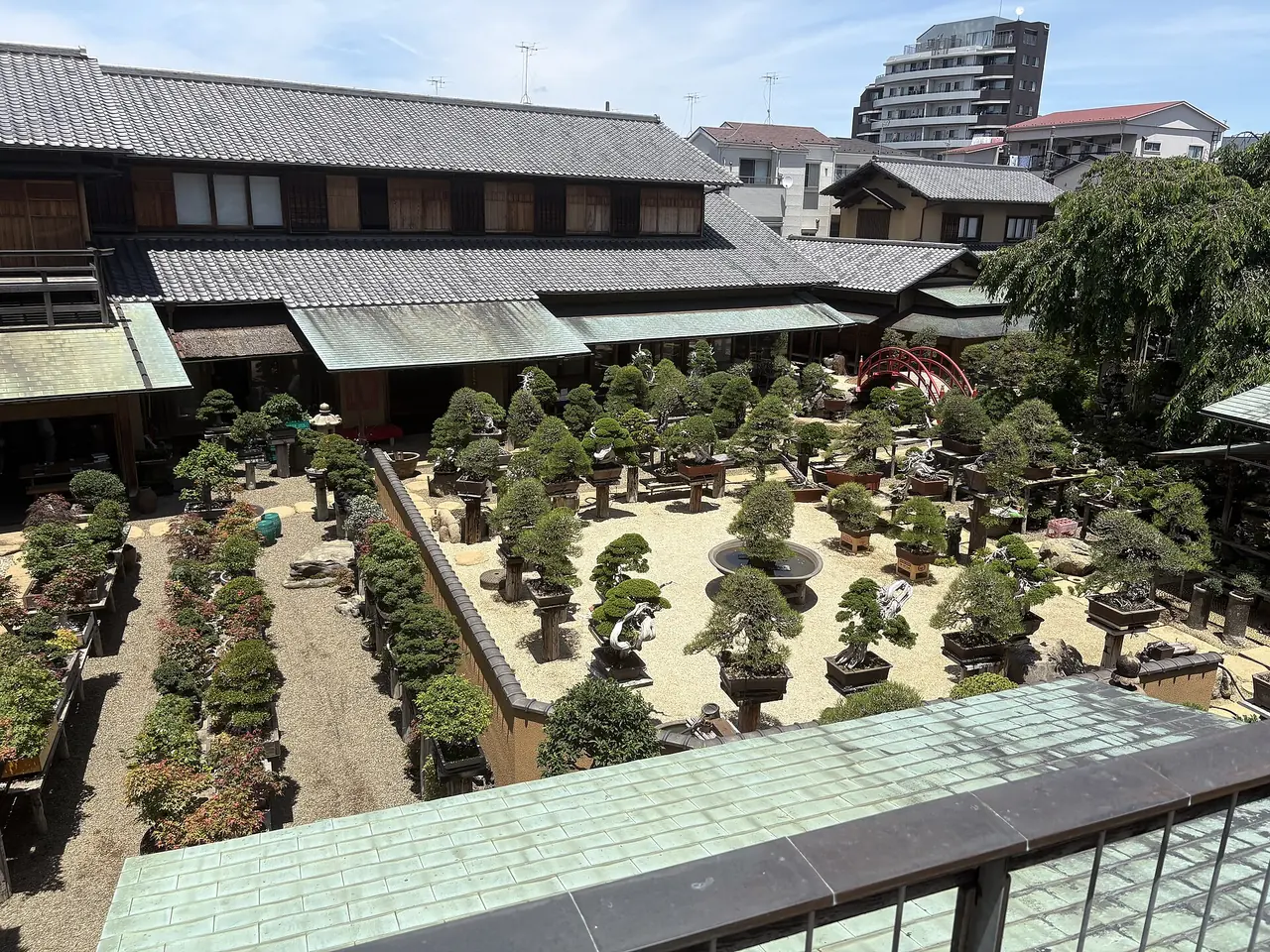
Kunio Kobayashi's Shunka-en museum in Edogawa, Tokyo, which holds over 1,000 trees. Collection of Kunio Kobayashi.
- Tree's artist
- Not recorded
- Photographer
- Cloud atlas
- Licence
- CC BY-SA 4.0
- Source
- Original on Wikimedia Commons
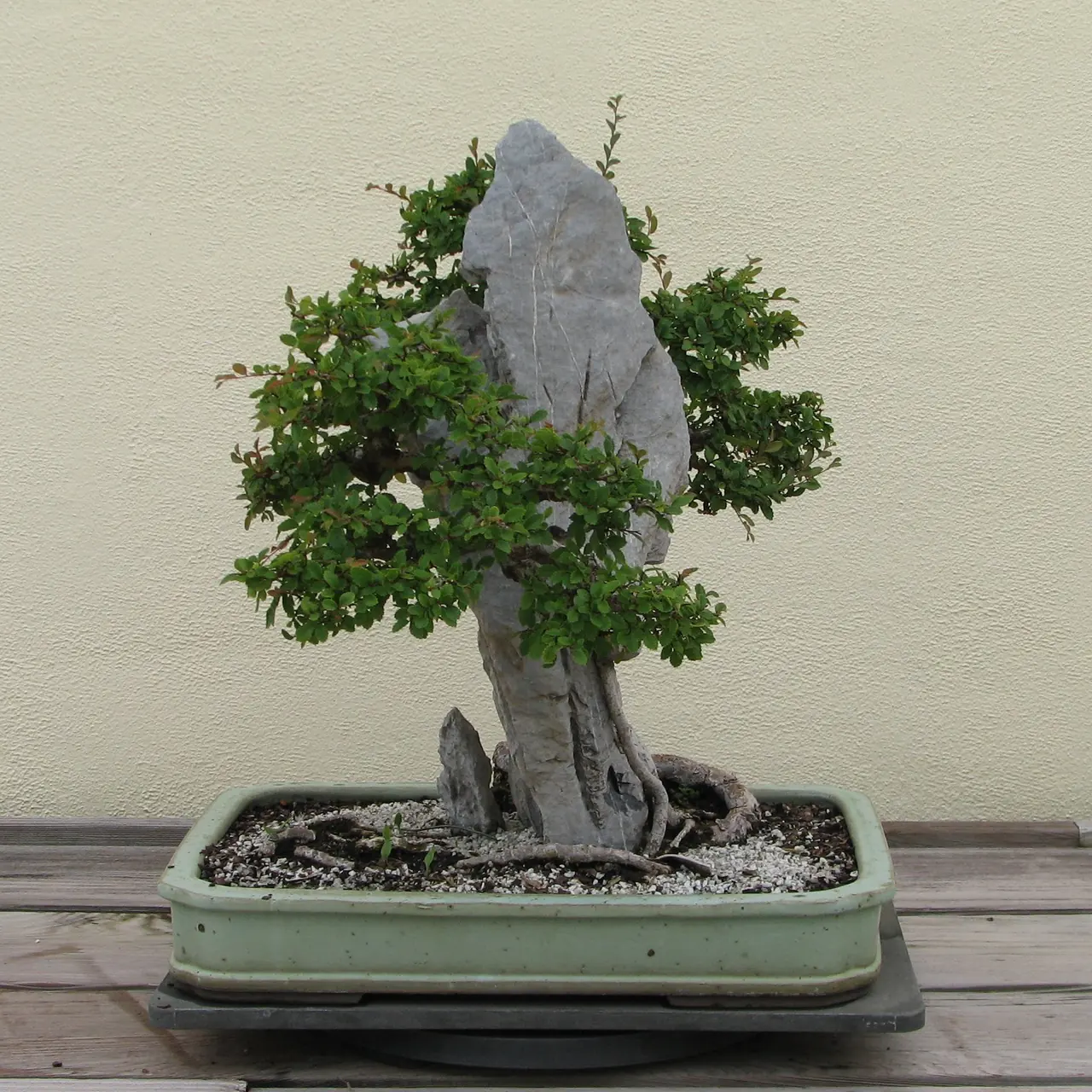
A Chinese elm growing over a Ying Tak stone, trained from 1961 and given by Wu Yee-sun to the National Bonsai & Penjing Museum, Washington.
- Tree's artist
- Not recorded
- Photographer
- Ragesoss
- Licence
- CC BY-SA 3.0
- Source
- Original on Wikimedia Commons
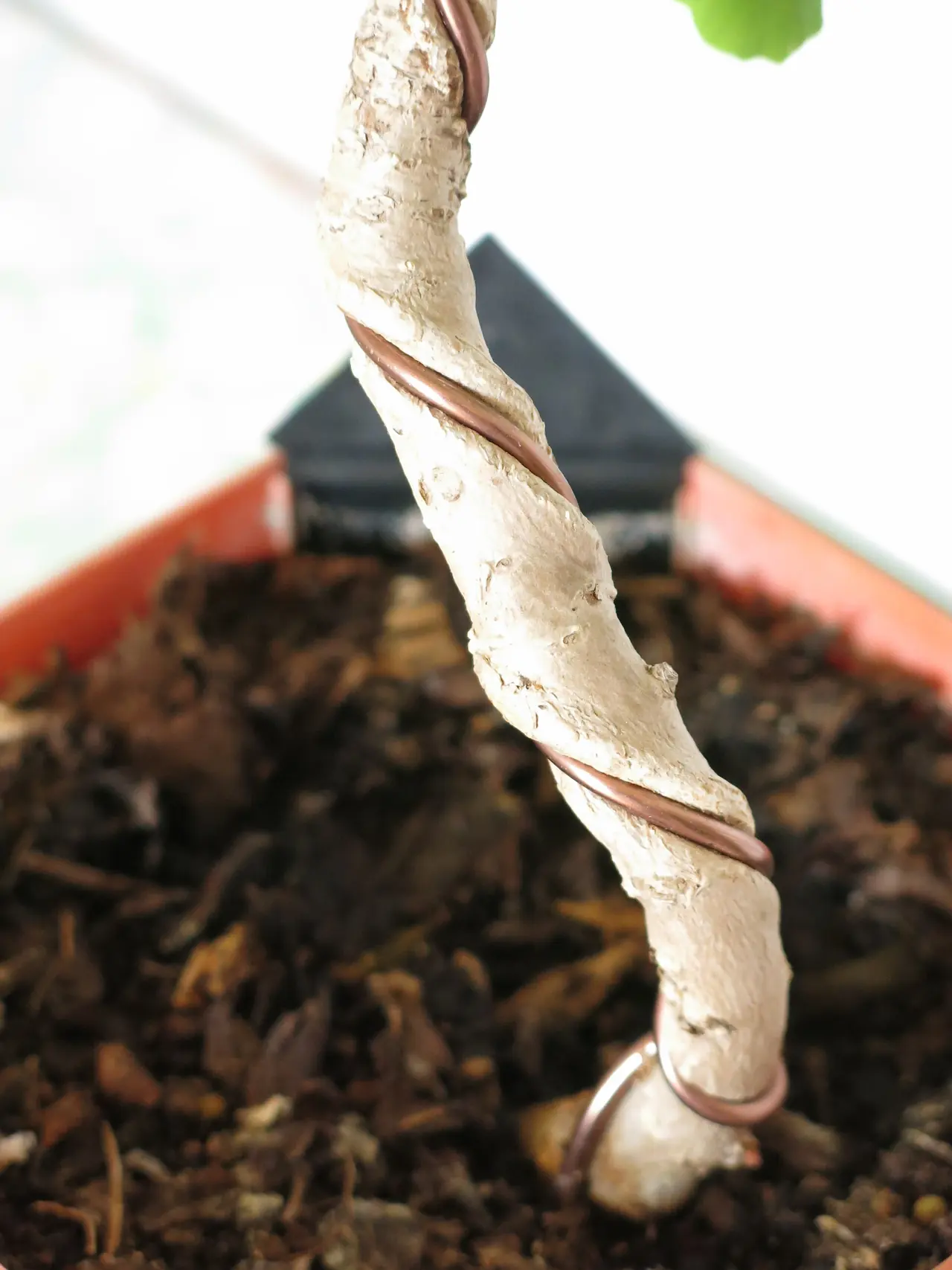
Wire coiled at an even angle up a young ginkgo trunk.
- Tree's artist
- Not recorded
- Photographer
- Tangopaso
- Licence
- Public domain
- Source
- Original on Wikimedia Commons
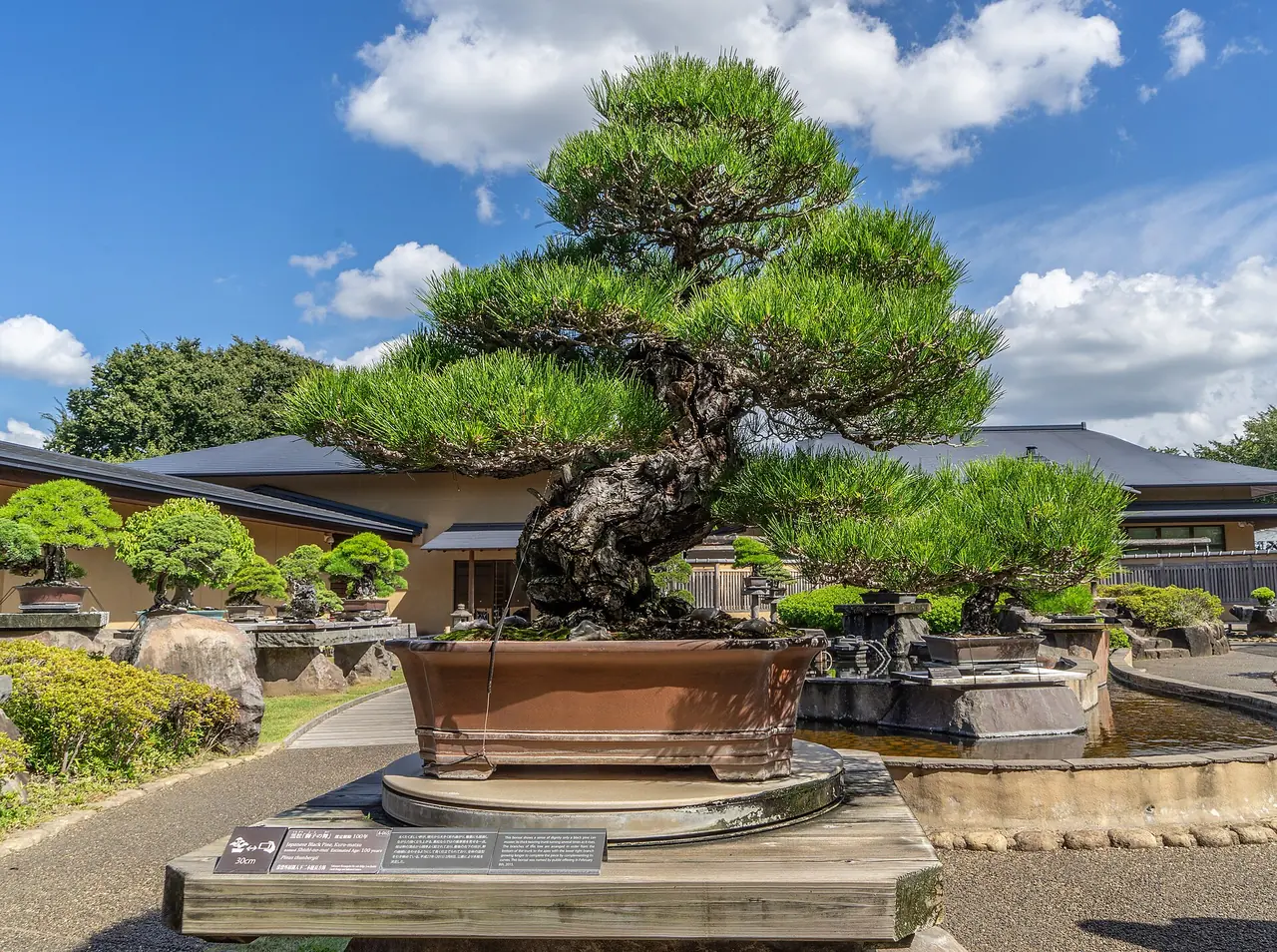
A pine in the garden of the Omiya Bonsai Art Museum, Saitama, which Japanese sources call the world's first public bonsai museum.
- Tree's artist
- Not recorded
- Photographer
- Antonio Rubio
- Licence
- CC BY 2.0
- Source
- Original on Wikimedia Commons
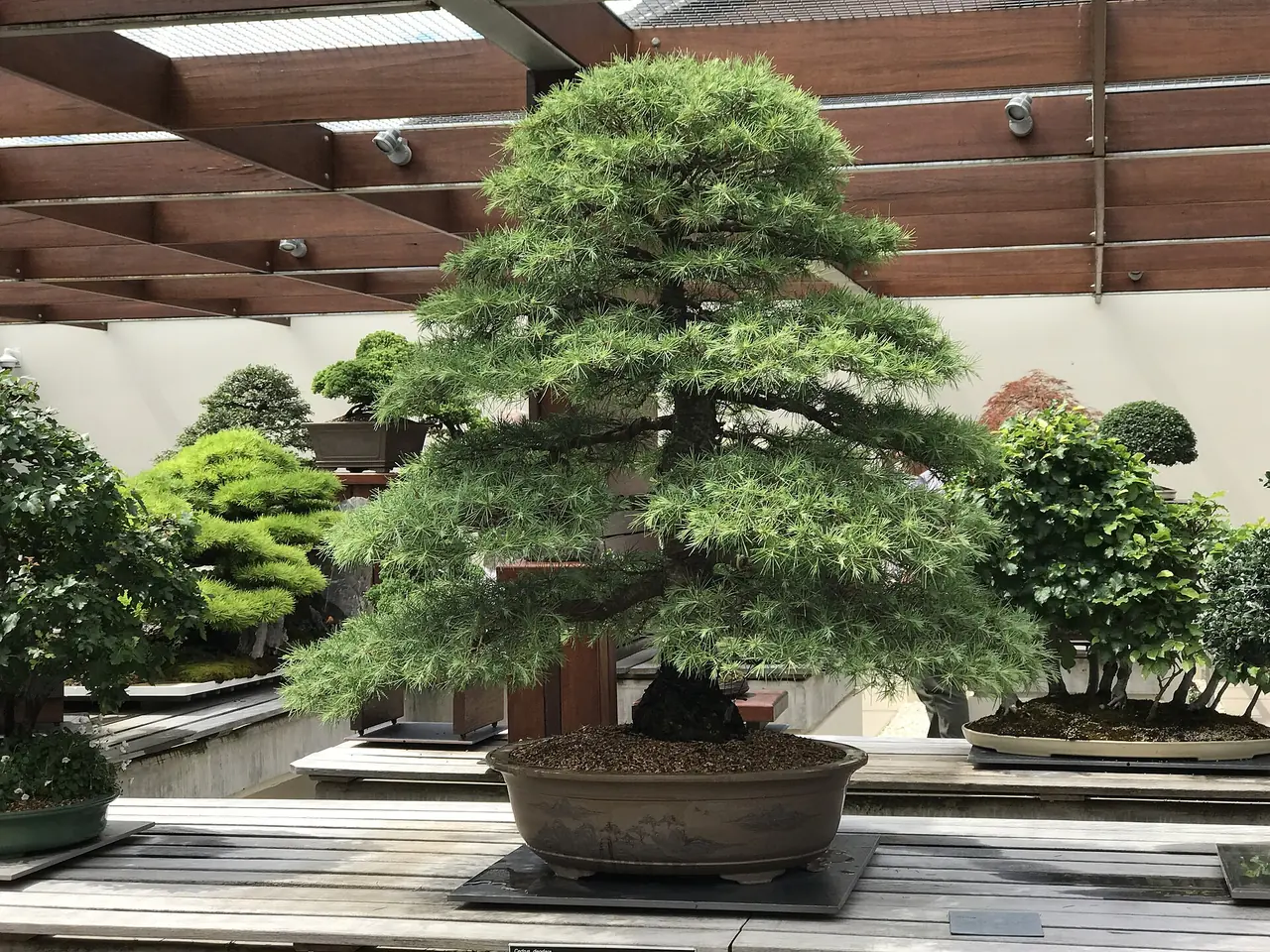
A conifer on display at the National Arboretum Canberra, home of the National Bonsai and Penjing Collection of Australia.
- Tree's artist
- Not recorded
- Photographer
- Kgbo
- Licence
- CC BY-SA 4.0
- Source
- Original on Wikimedia Commons
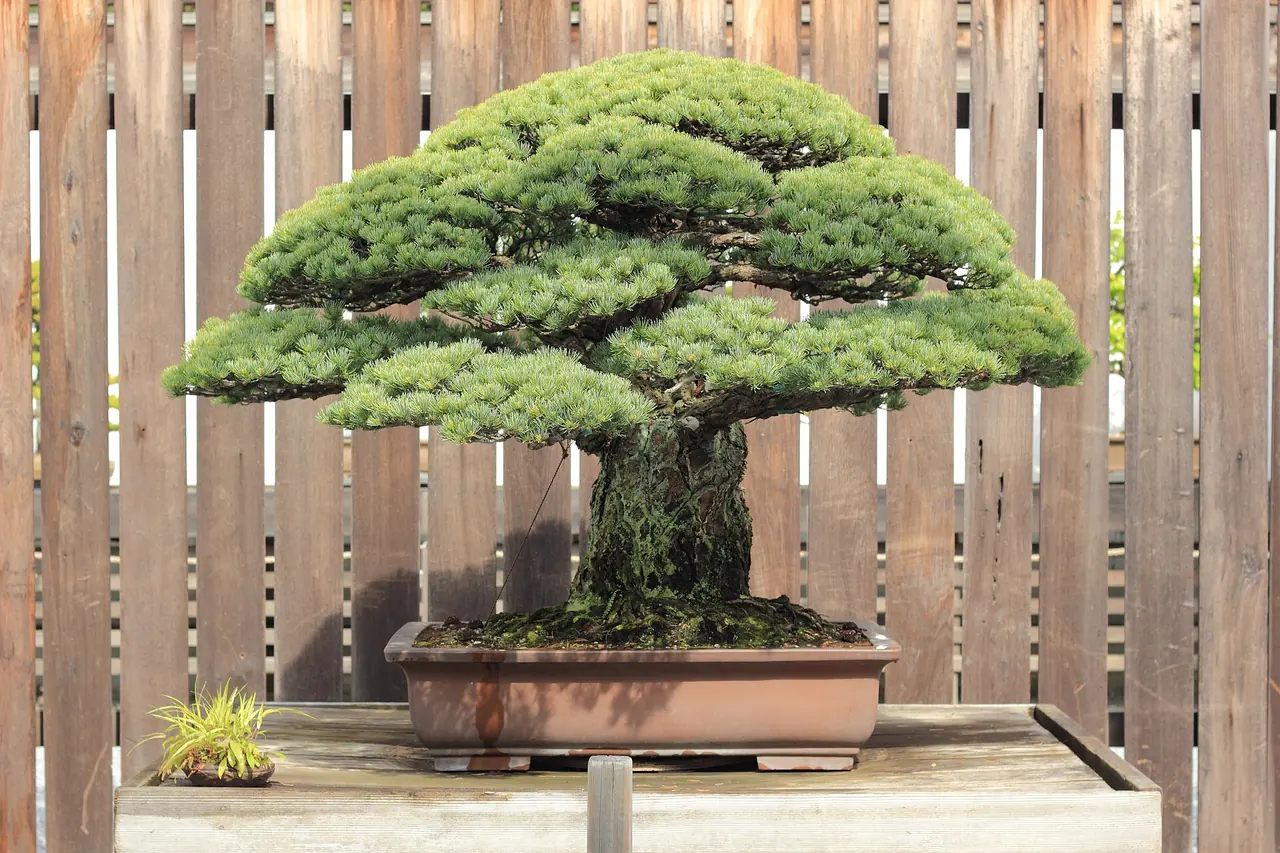
The Yamaki pine, a Japanese white pine in training since 1625 that survived the atomic bombing of Hiroshima, given by Masaru Yamaki in 1976; National Bonsai & Penjing Museum, Washington.
- Tree's artist
- Not recorded
- Photographer
- Sage Ross
- Licence
- CC BY-SA 3.0
- Source
- Original on Wikimedia Commons


Type
Headings are set in Noto Serif and text in Noto Sans, by the Noto Project Authors, under the SIL Open Font License 1.1. The font files and their licences are in the fonts folder, served from this site.
Research
The research sources behind the game will be listed on a Sources page in the game.